Video and the shuffle grew up together. Wikipedia notes that online video sharing helped spread the dance beyond Melbourne, and today short clips are how many people discover shuffling. Filming yourself is also one of the best ways to improve. This guide covers setting up your shot, lighting, editing, music permissions and respecting other people when you film.
This guide is general information, not legal advice. For your specific situation, check the sources linked below or get advice.
Full body
Keep feet in frame
Footwork is the star
Permission
Needed for music in videos
Per APRA AMCOS
Sync
The licence type
Music combined with visuals
Setting up your shot
- Frame the whole body. Feet are the star of the shuffle, so keep them in frame at all times, with some space around you for travelling steps.
- Camera height. Around waist height usually gives a natural view of the footwork. Very low or high angles can distort movement.
- Stability. Use a tripod, phone stand or stable surface. Shaky footage hides footwork.
- Orientation. Choose portrait or landscape to suit where you'll share the clip, and stick with it.
- Distance. Stand far enough back that you don't dance out of frame, but close enough that your steps are clear.
Lighting and background
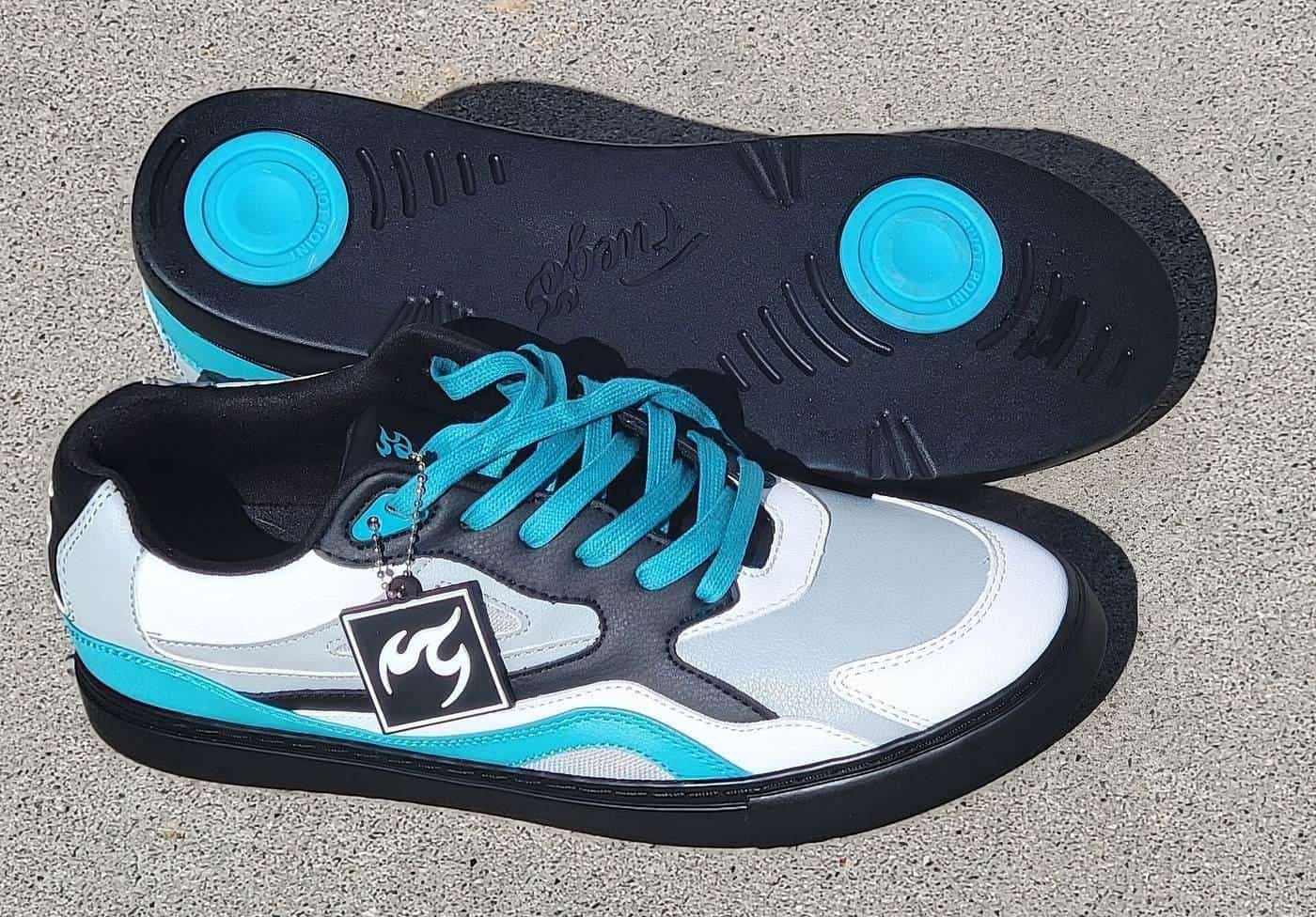
Even, bright light makes footwork crisp. Daylight from a window or outdoors in open shade works well. Avoid strong light behind you, which turns you into a silhouette. A simple background helps viewers focus on your movement, while a distinctive location can add personality. Shoes that contrast with the floor make footwork easier to see.
Camera settings
If your phone lets you, try a higher frame rate, which can make fast footwork look smoother and allows slow-motion playback. Lock focus and exposure on yourself so the camera doesn't hunt as you move. Clean the lens before filming.
Filming for practice
For practice, film often and don't worry about polish:
- film from the front and side to check posture and timing;
- play music out loud so you can check your timing against the beat;
- watch at normal speed, then in slow motion;
- compare clips over weeks to see your progress.
Our guide to building a routine explains how to use video to refine your dancing.
Editing to the beat
Simple editing can make clips stand out:
- trim the start and end so the clip begins on the beat;
- cut between angles or takes on the first beat of a phrase;
- use slow motion for a spin or trick;
- keep it short and focused.
Music rights: the basics
Most music is protected by copyright. The Arts Law Centre of Australia explains that you need permission from the copyright owner to do certain things with music and lyrics, and that including a song in a film soundtrack is called a synchronisation. APRA AMCOS, which represents songwriters and publishers in Australia and New Zealand, says that if you create your own video with music and want to upload it online, you need permission from the copyright owners.
There are usually two sets of rights in a recorded song:
- The song itself (the musical work and lyrics), usually owned by songwriters and music publishers.
- The sound recording, often owned by a record label. APRA AMCOS says that unless you're using a recording you own, you'll need a licence from the owners of the sound recording.
APRA AMCOS also says that, as a general rule, sync licences are not administered by APRA AMCOS. They're handled directly by the owners of the synchronisation rights, such as publishers, songwriters or record labels.
Practical options for music
- Platform music libraries. Many video and social platforms offer music libraries with tracks you can use within their rules. Check each platform's terms.
- Royalty-free or licensed music. Some services license music for online videos. Read the licence terms carefully.
- Your own music. If you or a friend make music, you can control the rights.
- Ask permission. Some independent artists are happy for dancers to use their tracks if you ask and credit them.
Rules vary by platform and change over time, so check the current terms before posting.
Filming in public places
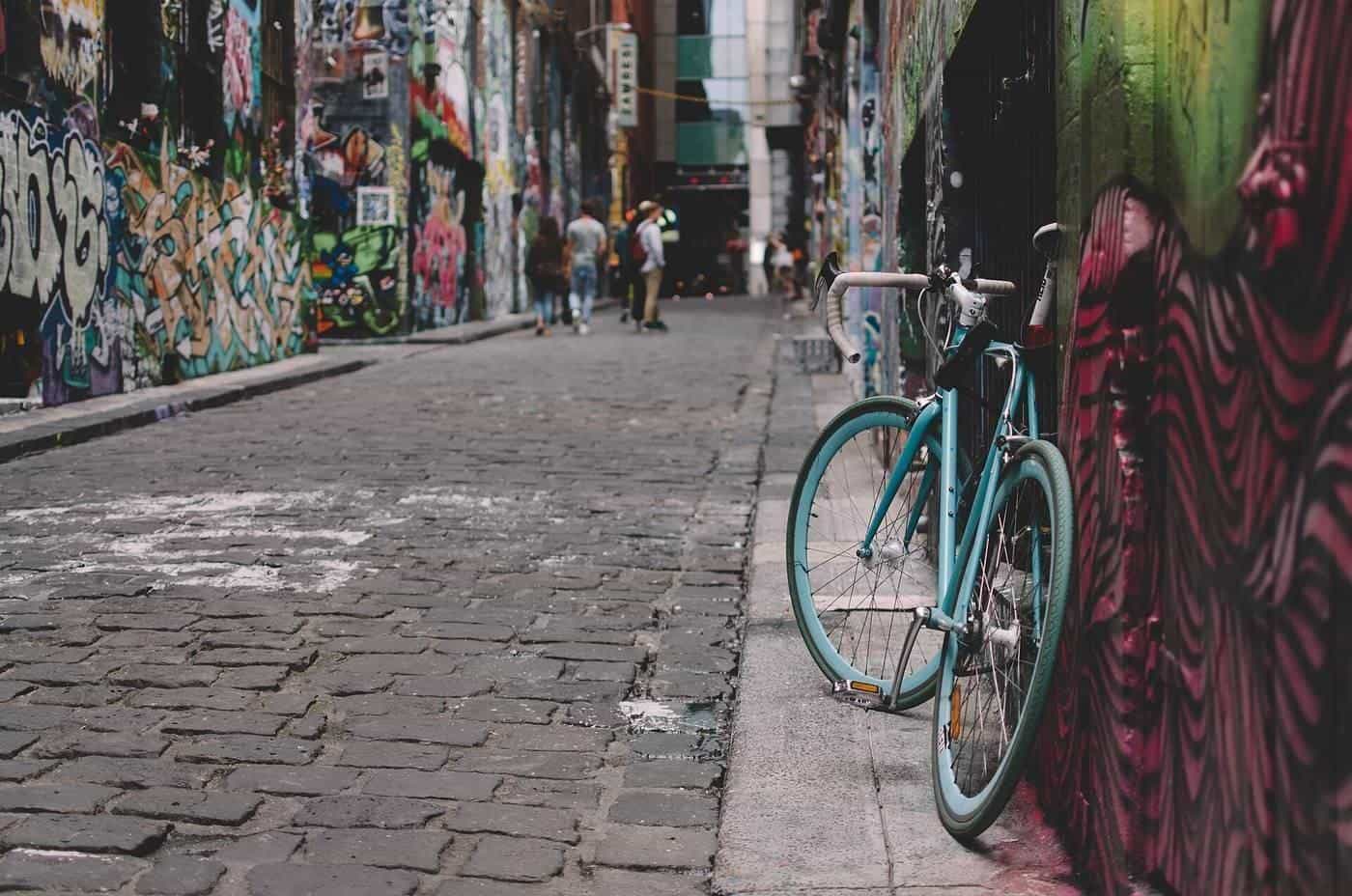
Laneways, parks and city streets make great backdrops. When filming in public:
- check whether the location has rules about filming, especially for commercial shoots;
- don't block footpaths, entrances or traffic;
- be mindful of people in the background, especially children;
- respect anyone who asks not to be filmed;
- leave the space as you found it.
Respecting other dancers
When filming at events or with other dancers, ask before filming people up close and before posting clips where they're clearly identifiable. Credit dancers and choreographers whose moves or routines you've learned. Never reupload someone else's video as your own.
Staying safe online
Think about what your videos reveal, such as your home location, school or regular practice spots. Review privacy settings on the platforms you use, and be careful about sharing personal details in comments or messages.
Ideas for shuffle videos
Stuck for ideas? Try these formats:
- Progress clips: film the same combination every week for a month and edit the clips together to show improvement.
- Tutorials: break a move down slowly from the front and side, then show it at full speed. Teaching helps you understand your own technique.
- Location clips: dance in an interesting place, with permission where needed, and let the setting add character.
- Challenges: freestyle to a random track, use only one move for 30 seconds, or try a friend's combination.
- Collaborations: dance with friends, swap combinations or build a group routine.
- Slow motion: film a spin or slide at a high frame rate and show it slowed down.
Common filming mistakes
- Feet out of frame. The most common problem. Do a test recording before every take.
- Dancing away from the camera. Plan travelling steps so you stay in the shot.
- Poor sound timing. If you add music in editing, make sure your steps line up with the beat.
- Busy backgrounds. Moving people or clutter behind you distract from your footwork.
- Too long. Short, focused clips usually work better than long ones.
- Unsafe surfaces. Don't try slides on wet, uneven or busy surfaces just to get a shot. See our guide to shoes and floors.
Crediting and captions
Good captions help viewers and respect the community. Credit the music where allowed, name any dancers you've learned from or collaborated with, and mention the location if appropriate. Clear credits help others find artists and dancers whose work they enjoy.
Lighting on a budget
You don't need expensive gear. Face a window during the day, film outdoors in open shade, or point a lamp at a white wall to bounce soft light back towards you. Avoid mixing very different light sources, which can make colours look odd, and turn off overhead lights that create harsh shadows on your feet.
Key points
- Frame your whole body, keep the camera steady and use even light.
- Film from different angles for practice and compare clips over time.
- APRA AMCOS says you need permission from copyright owners to upload your own video with music.
- Sync licences are generally handled by rights owners, not APRA AMCOS.
- Be considerate when filming in public and credit other dancers.
Frequently asked questions
Do I need permission to use a song in my dance video?
APRA AMCOS says that if you create your own video with music and want to upload it online, you need permission from the copyright owners. Platforms may also have their own licensed music libraries and rules.
Does APRA AMCOS issue sync licences?
As a general rule, no. APRA AMCOS says sync licences are administered directly by the owners of the synchronisation rights, such as music publishers, songwriters and record labels.
What’s the best angle for filming shuffling?
A front-on, full-body shot at about waist height usually shows footwork best. Make sure your feet are always in frame.
How do I make my footwork look clear on video?
Use good, even lighting, a plain background, contrasting shoes and a higher frame rate if your phone supports it.
Can I film in public places?
Check the rules for the location, avoid blocking paths, and be considerate of people who don’t want to be filmed.
Sources and further reading
Facts on this page were checked against these primary and official sources. Conditions change — confirm before you travel or buy.
- Copyright in music and lyrics — Arts Law Centre of Australia
- Synchronisation — APRA AMCOS
- Online licences — APRA AMCOS