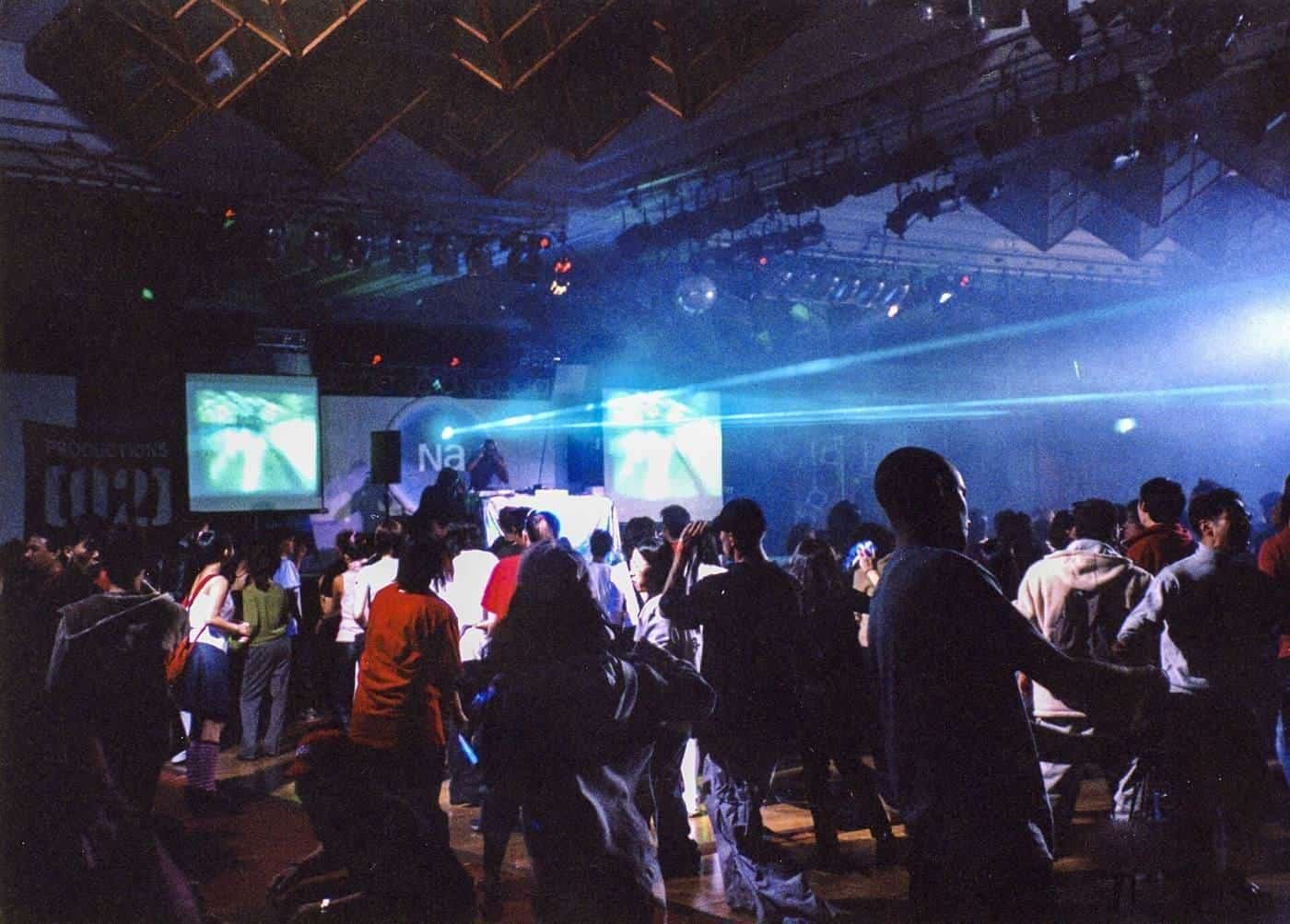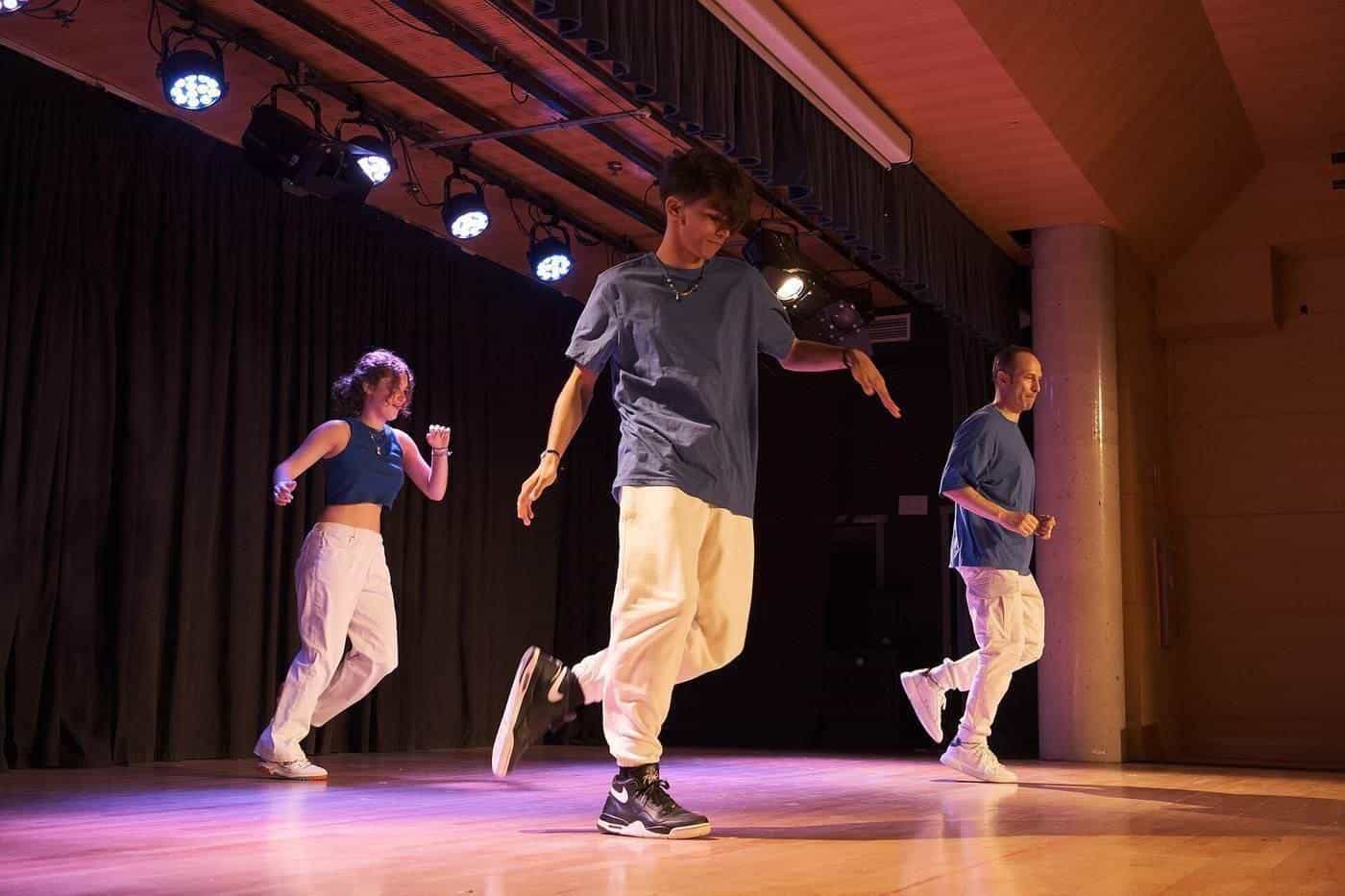
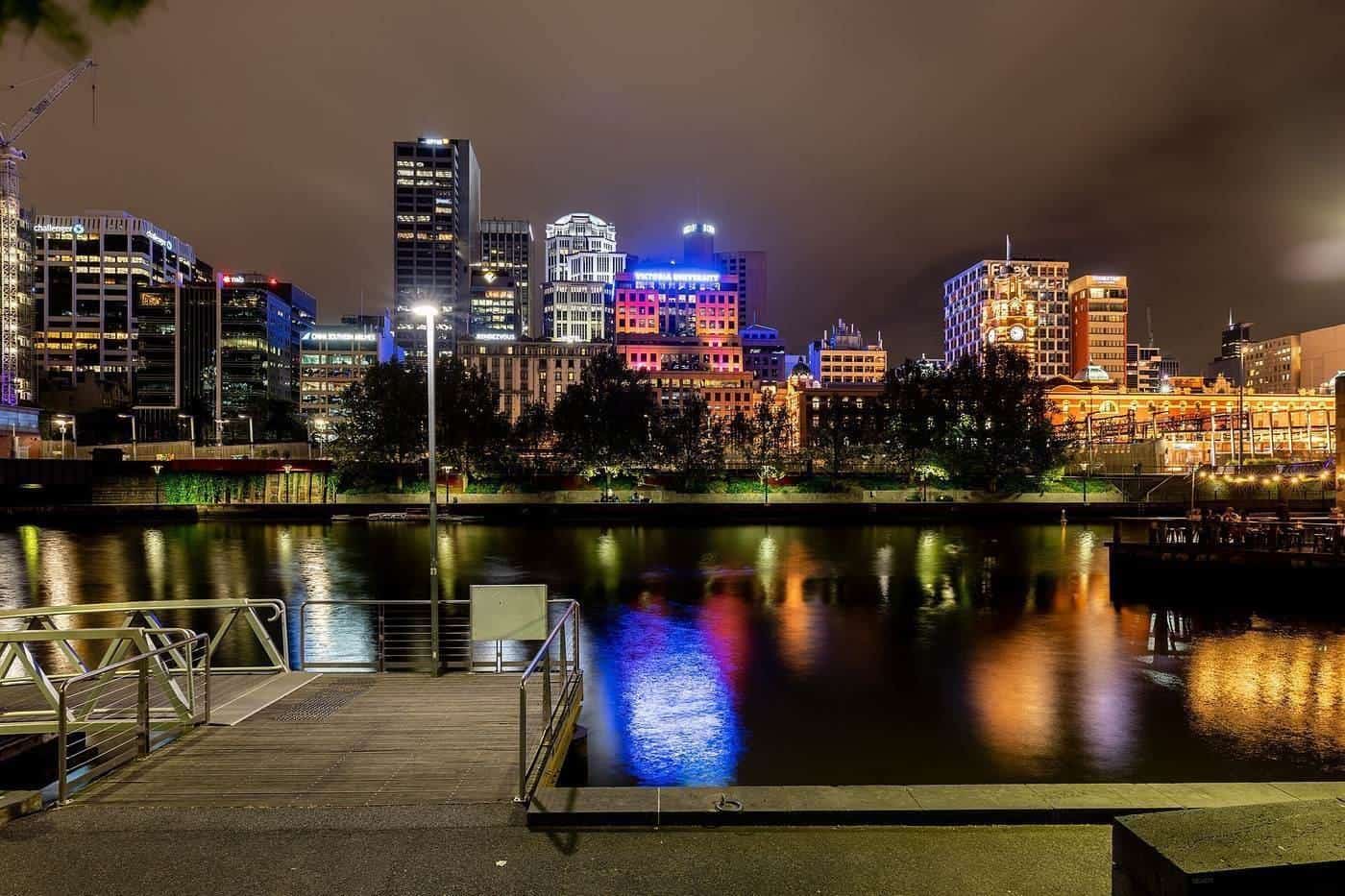
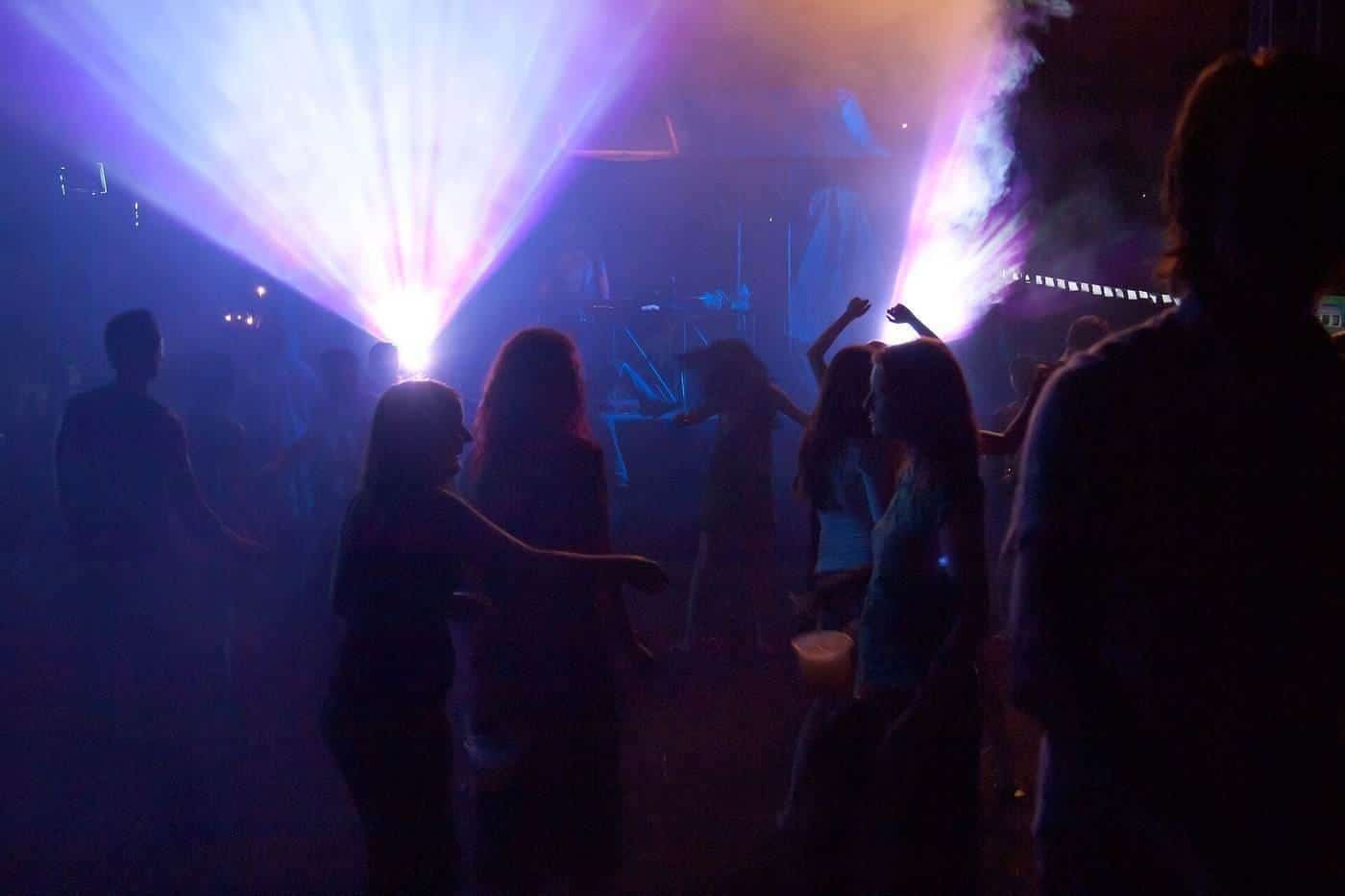
The Melbourne shuffle is one of the few dances in the world named after a city. Wikipedia describes it as a rave dance that developed in Melbourne in the late 1980s and early 1990s, characterised by the T-step combined with a variation of the running man and performed with coordinated arm movements. It grew up on the dance floors of Melbourne's clubs and raves, then spread around the world through club culture, media and online video.
Melbourne Shuffle Guide is an independent site for anyone who wants to learn it, understand it or dance it better. Our guides break the moves down step by step, explain the history and music behind the dance, and share practical advice on warming up, shoes, hearing and practising at home. Everything is free, and our tempo trainer helps you practise at the right speed.
Learn the moves
Start with the foundations. Our learn section takes you from your first step to your first routine:
- Running man basics: the bouncy, sliding step that drives the shuffle.
- T-step and kicks: the twisting, travelling step that gives the dance its glide.
- Spins and transitions: turning safely and linking moves smoothly.
- Building a routine: mapping music, building combinations and growing your freestyle.
Understand the culture
The shuffle is more than a set of steps. Our culture section explores where it came from and how it lives today:
- History of the Melbourne shuffle: the clubs, events and moments that shaped it.
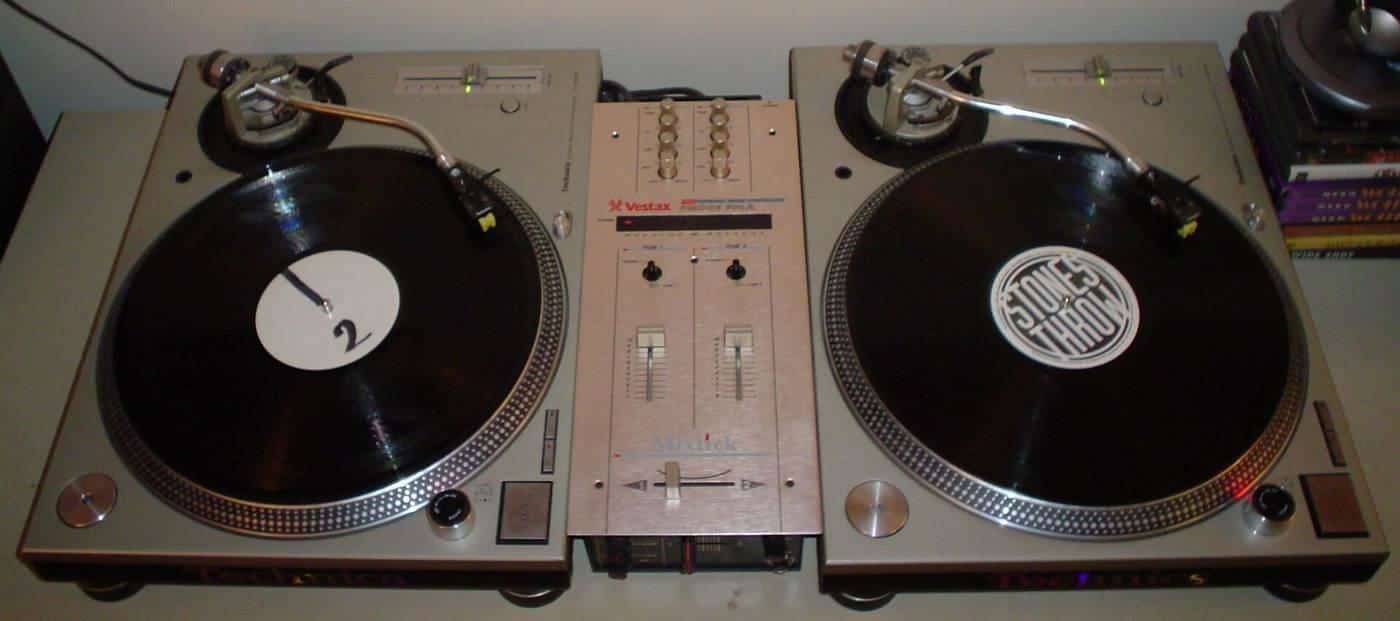
- Music and tempo: beats, phrases and BPM, and how to choose tracks.
- Festivals and clubs: etiquette and looking after yourself on real dance floors.
- Filming and sharing videos: better clips, music permissions and respecting others.
Practise well
Good habits keep you dancing longer. Our practice section covers:
- Warming up and avoiding injury: preparing your body and pacing practice.
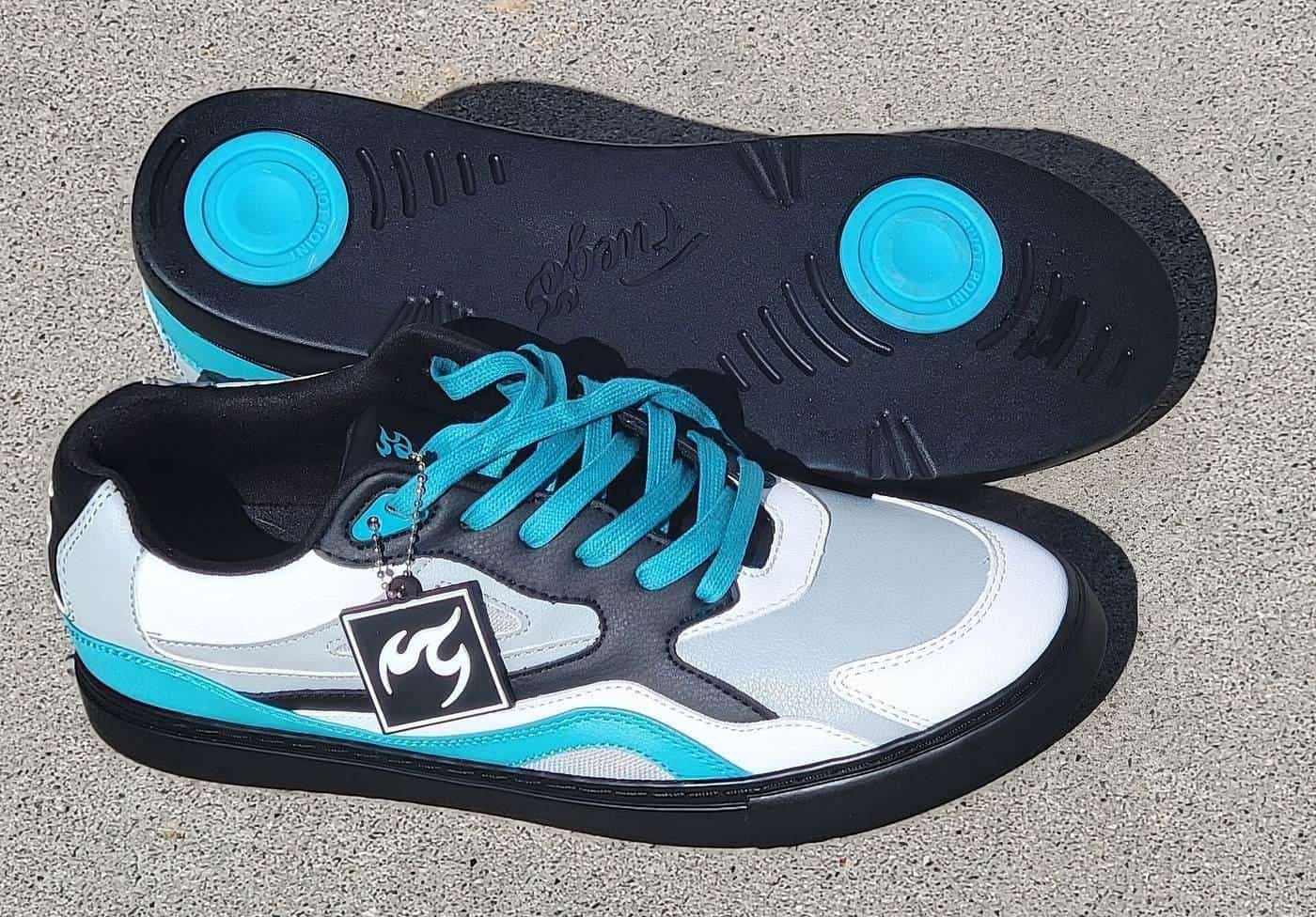
- Shoes and floors: balancing grip and glide.
- Protecting your hearing: enjoying loud music without losing your hearing.
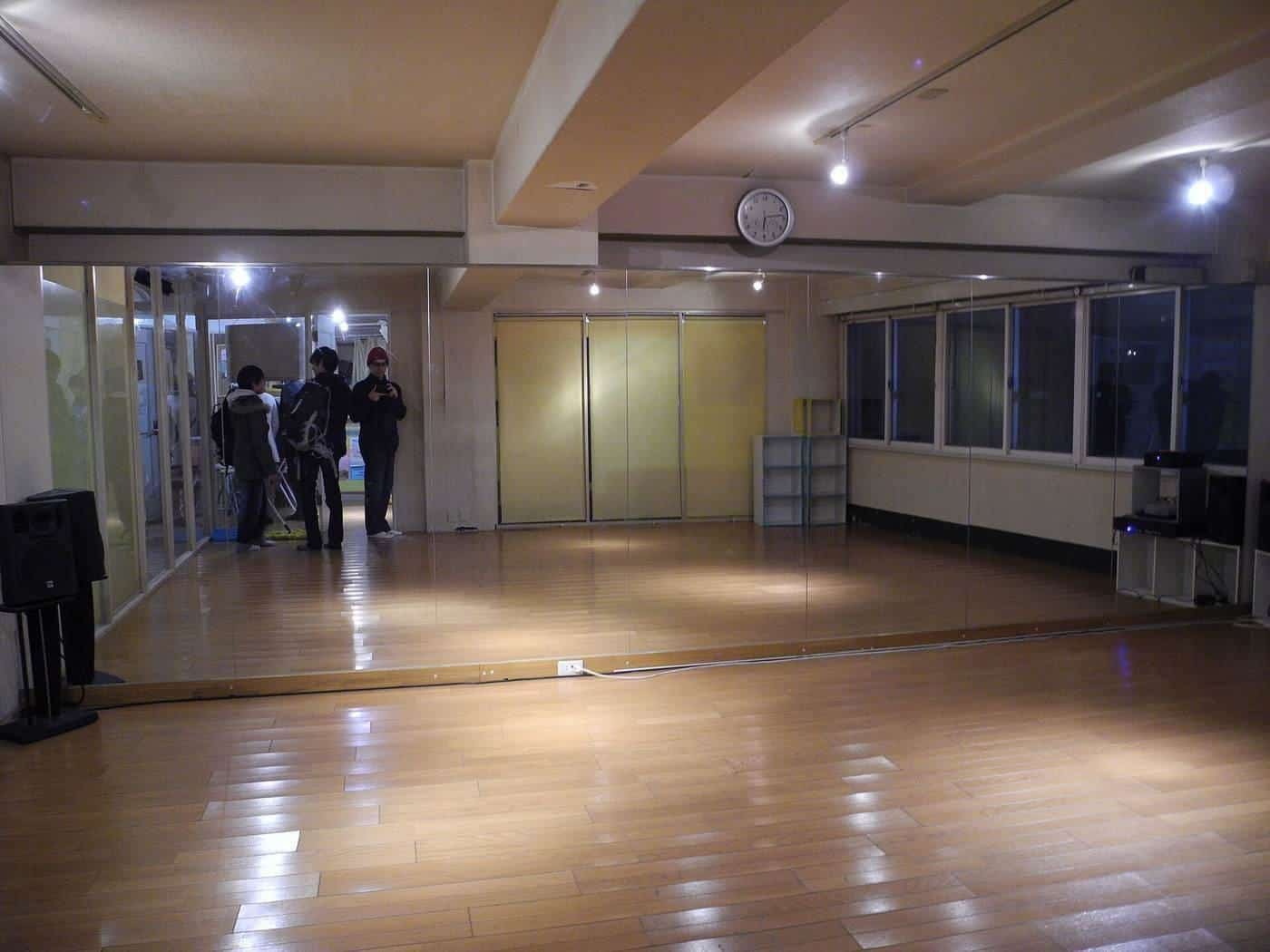
- Practising at home: space, noise and keeping the neighbours happy.
Practise at the right speed
The quickest way to improve is to slow down. Our tempo trainer lets you tap along to any track to measure its beats per minute, or enter a tempo directly. Choose where to start, such as 70% of full speed, and how big each step up should be, and it builds a practice ladder showing the tempo and milliseconds per beat at each stage. Master a move at each rung before moving up.
Five tips for new shufflers
- Learn the running man first. It builds the rhythm and leg action for everything else.
- Go slow. Clean technique at a slow tempo beats sloppy speed.
- Count in eights. Start moves on count 1 and change on the phrase.
- Film yourself. Video shows what you can't feel.
- Warm up and pace yourself. The Heart Research Institute says 5 to 10 minutes of warm-up is usually sufficient for amateurs.
Melbourne's own dance
According to the published accounts summarised on Wikipedia, the shuffle became closely associated with Melbourne clubs in the 1990s and 2000s, including Hard Kandy, Bubble, Heat and Mercury Lounge, and early techno events such as Biology and Hardware were popular with shuffle dancers. In 2009, the German hard dance group Scooter released a music video featuring dancers performing the shuffle in Melbourne, and in 2011 LMFAO referenced shuffling in "Party Rock Anthem". A related UK style became known as cutting shapes. Read the full story in our history guide.
Look after your ears
Loud music is part of the scene, but hearing damage is permanent. Know Your Noise, from Australia's National Acoustic Laboratories, says repeated or lengthy exposure to sounds at or above 85 decibels can cause hearing loss, and advises using hearing protection and keeping distance from speakers at clubs and gigs. Our hearing guide explains how.
Sharing your shuffle
Video helped the shuffle travel the world, and filming yourself is a great way to improve. If you post videos with music, remember that APRA AMCOS says you need permission from copyright owners to upload your own video with music. Our filming guide explains your options.
Practising at home
Most shufflers learn at home. In Victoria, EPA Victoria lists prohibited times for stereos and similar audio goods when they can be heard inside a neighbour's home, such as after 10pm Monday to Thursday and after 11pm on Fridays and Saturdays. Headphones, considerate timing and light footwork keep the peace. See practising at home.
How we write our guides
We describe moves in plain language, test our explanations against how the steps actually feel, and link to published sources whenever we state facts about history, health or the law. Shuffle history is informal, so we avoid repeating unverified claims. Read our editorial policy for more.
For dance teachers and businesses
Run shuffle classes, a dance studio, events or a shoe or apparel business? Find out about featuring your business on Melbourne Shuffle Guide. Any features are clearly labelled.
Who we are
Melbourne Shuffle Guide is an independent information site. We don't run classes, sell tickets or rank teachers. Learn more about us or get in touch.