Shuffling depends on a delicate balance between grip and glide. Too much grip and your feet stick, making slides impossible and twisting your knees. Too little and you slip. Your shoes and the floor you dance on together decide where that balance sits. This guide explains what to look for in shoes, how different surfaces behave and how to practise safely.
Smooth soles
Help gliding
Without losing support
Flat and clean
Best floors
Avoid wet or uneven surfaces
Adapt
Your moves
To the surface you're on
Why shoes matter
The shuffle's signature moves, such as the running man, the T-step and spins, all involve sliding or pivoting. Wikipedia's description of the dance mentions slides and 360-degree spins, and notes, citing a 2002 report in The Age, that some dancers used talcum powder or liquid on floors to help sliding. That tells you how important a smooth glide is to the style.
Your shoes need to:
- let you slide and pivot when you want to;
- grip enough to stop you slipping;
- support your feet and ankles through fast, repetitive movement;
- be light enough not to tire your legs.
What to look for in shoes
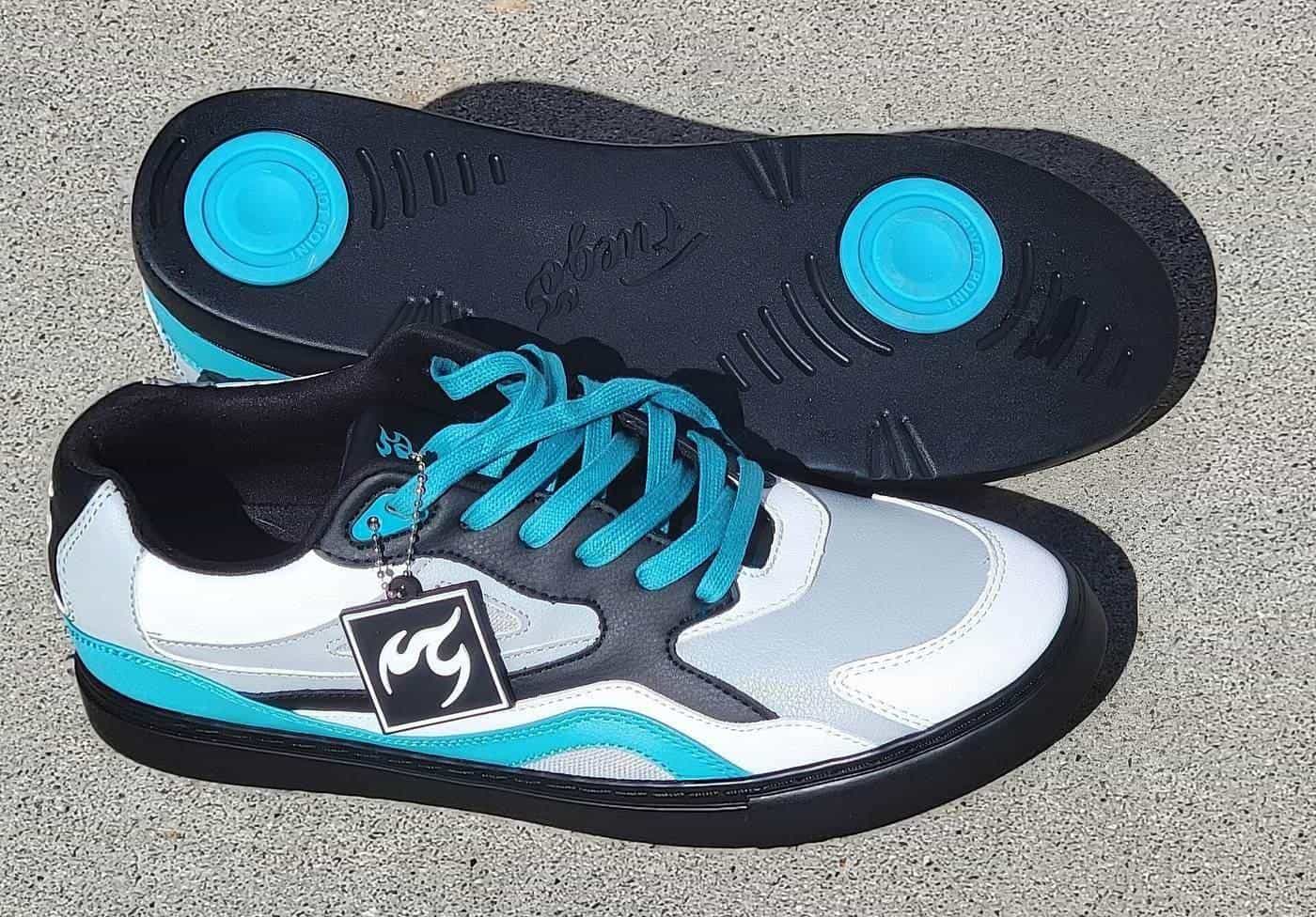
- Sole texture. Smoother, flatter soles slide more easily. Deep treads or rubbery, grippy soles stick.
- Sole shape. A relatively flat sole with a rounded edge helps pivots and heel-toe movements.
- Weight. Lighter shoes make fast footwork easier.
- Fit. Shoes should be snug without pinching, with laces done up properly so your foot doesn't move inside the shoe.
- Support and cushioning. Enough to protect your feet from repeated impact without feeling clumsy.
- Contrast. For videos, shoes that stand out against the floor make footwork easier to see.
Many shufflers wear everyday sneakers. Try a few pairs and see how they feel on your usual floor.
How floors behave
| Surface | Glide | Notes |
|---|---|---|
| Sealed timber | Good | A favourite for practice; keep it clean and dry |
| Smooth concrete | Good | Hard on joints over long sessions |
| Tiles | Variable | Can be very slippery, especially if wet |
| Vinyl or lino | Variable | Some are smooth, some are grippy |
| Carpet | Poor | Grips shoes; hard on knees during pivots |
| Grass | Poor | Uneven and grippy; risk of rolled ankles |
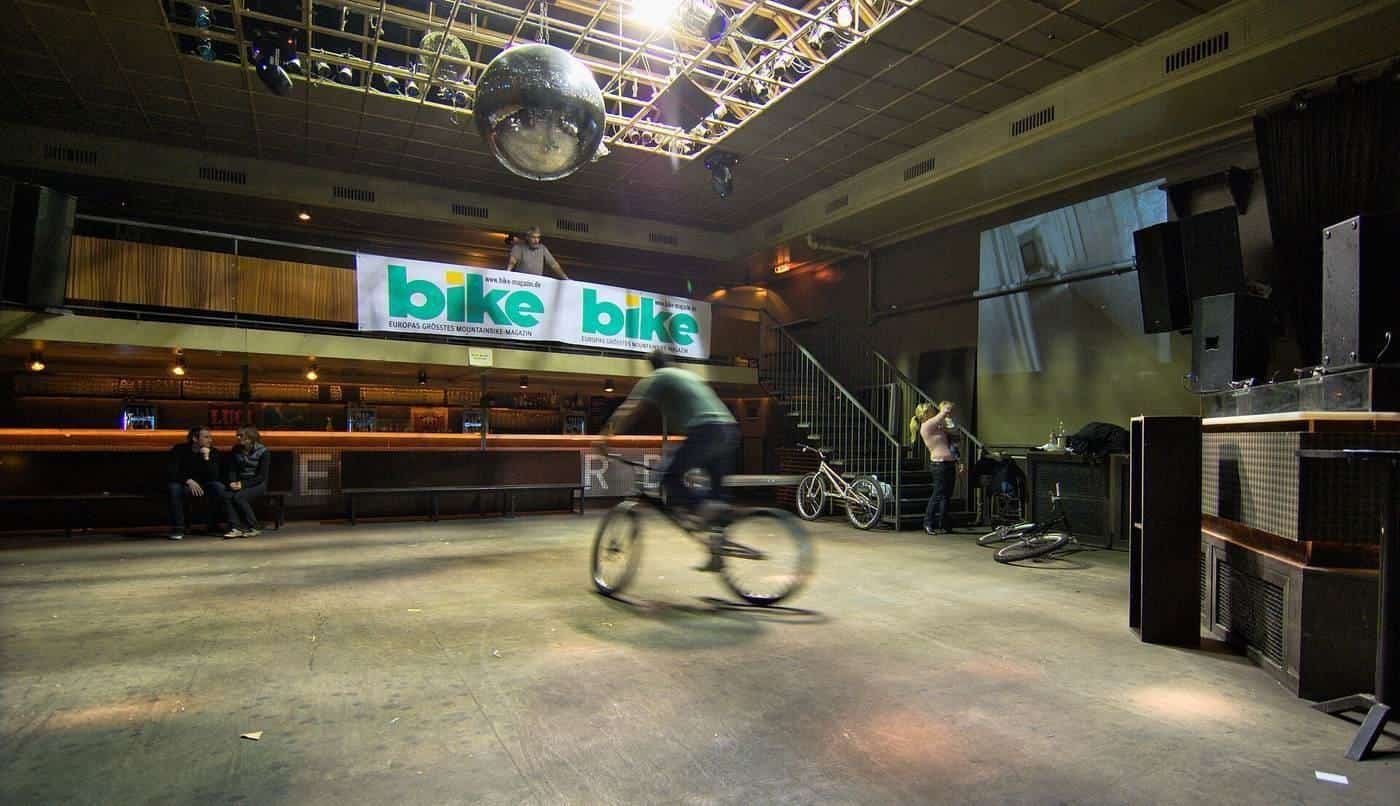
| Club floors | Variable | Often slippery or sticky from spilled drinks |
Practising safely on different floors
- Test first. Before dancing hard, try a few slides and pivots to feel how the floor behaves.
- Adapt your moves. On grippy floors, focus on running men and kicks with less sliding. On slippery floors, keep your steps smaller and controlled.
- Keep it clean and dry. Dust, grit and liquid change grip unpredictably.
- Watch for hazards. Cracks, uneven edges, cables and furniture can cause trips.
- Mind your joints. Very hard floors can be tough on your legs over long sessions. Mix in rest and lower-impact practice.
About powder and floor treatments
Some dancers have used powder on floors to help slides. If you choose to do this, only do it on a floor you're responsible for, clean it up afterwards and remember that it makes the surface slippery for anyone else. Never treat floors at venues, studios or public places without permission.
Making a home practice surface
If your floors at home aren't suitable, some dancers use a smooth board or panel laid on a flat surface. Make sure it's stable and doesn't slide, has no sharp edges, and is big enough for your steps. Our guide to practising at home has more tips, including keeping noise down for neighbours.
Looking after your shoes
Wear on the soles changes how shoes slide. Some dancers keep a dedicated pair for practice so the soles stay consistent. Keep soles clean, and replace shoes when they lose support or the soles wear unevenly.
Shoes, floors and injury
Too much grip forces your knees and ankles to twist when your foot doesn't pivot freely. Too little grip risks slips and falls. Getting the balance right is part of dancing safely. Combine good footwear with a proper warm-up; see our guide to warming up and avoiding injury.
Matching shoes to your style
Different shuffle styles favour different footwear:
- Gliding styles, with lots of smooth slides and spins, usually suit shoes with slick, flat soles.
- Bouncy styles, with quick running men and kicks, often suit lighter shoes with a bit more cushioning.
- Mixed styles may need a compromise: enough slide for spins, enough grip for kicks.
If you dance in several places, you may find one pair works for practice at home and another works better on club floors or outdoors. Pay attention to how your legs feel after sessions. Persistent soreness in the knees or ankles can be a sign that your shoes or floor have too much grip, or that your shoes don't support you enough.
Breaking in new shoes
New soles often grip more than worn ones. Some dancers wear new shoes around the house or on walks for a while before using them for practice so the soles smooth slightly. Start with gentle practice in new shoes and build up, rather than taking them straight into a long, intense session. Check that they don't rub or cause blisters.
Socks and comfort
Comfortable, well-fitting socks help prevent blisters and keep your feet from sliding around inside your shoes. Avoid dancing in socks alone on hard floors. It might feel slippery and fun, but it gives little support or protection and makes falls more likely.
Floors at studios and venues
Dance studios often have sprung or sealed timber floors designed for dancing, but many have rules about the shoes you can wear, such as clean, non-marking soles. Always check before you dance. At clubs and festivals, floors change throughout the night as drinks get spilled and dust builds up. Keep checking how your feet feel and adjust your moves rather than assuming the floor will stay the same.
A quick shoe checklist
Before a session, check that your shoes are clean, laces are secure, soles aren't worn through or split, and the insides are dry. It takes seconds and helps you avoid surprises.
Shoes for different settings
Think about where you'll dance most often. For home practice on a smooth floor, a lighter, slicker shoe may suit you. For festivals, you'll want something more robust and supportive that handles grass, dust and long hours on your feet. For clubs, a balance of both often works. Some dancers carry a spare pair to events so they can switch if conditions change.
When to replace your shoes
Watch for soles worn smooth in some places and grippy in others, split or peeling soles, broken-down heel counters and loss of cushioning. Uneven wear changes how your feet slide and can make pivots unpredictable. If your legs feel more tired or sore than usual after sessions in a particular pair, it may be time for new shoes.
Key points
- Shuffling needs a balance between grip and glide.
- Look for light, supportive shoes with smooth, fairly flat soles.
- Sealed timber and smooth concrete are popular practice surfaces; carpet and grass are hard work.
- Test each floor before dancing hard and adapt your moves to it.
- Never treat floors you don't control, and replace worn shoes.
Frequently asked questions
What shoes are best for shuffling?
Many shufflers choose lightweight sneakers with smooth, fairly flat soles that allow some slide while still giving support. What works best depends on your style and the floor.
What’s the best floor to practise on?
Smooth, flat, clean surfaces such as sealed timber or smooth concrete are popular. Avoid wet, uneven or very sticky floors.
Can I shuffle on carpet?
You can practise basic footwork, but carpet grips shoes and makes slides and spins harder, which can strain knees and ankles.
Should I put powder on the floor?
Some dancers have used talcum powder to help slides, according to a 2002 report cited by Wikipedia. Only do this on your own floor, and remember it can make surfaces slippery for others.
Do I need special dance shoes?
No. Plenty of dancers shuffle in everyday sneakers. Comfort, support and the right amount of grip matter most.
Sources and further reading
Facts on this page were checked against these primary and official sources. Conditions change — confirm before you travel or buy.
- Melbourne shuffle — Wikipedia
- How to warm up properly — Heart Research Institute