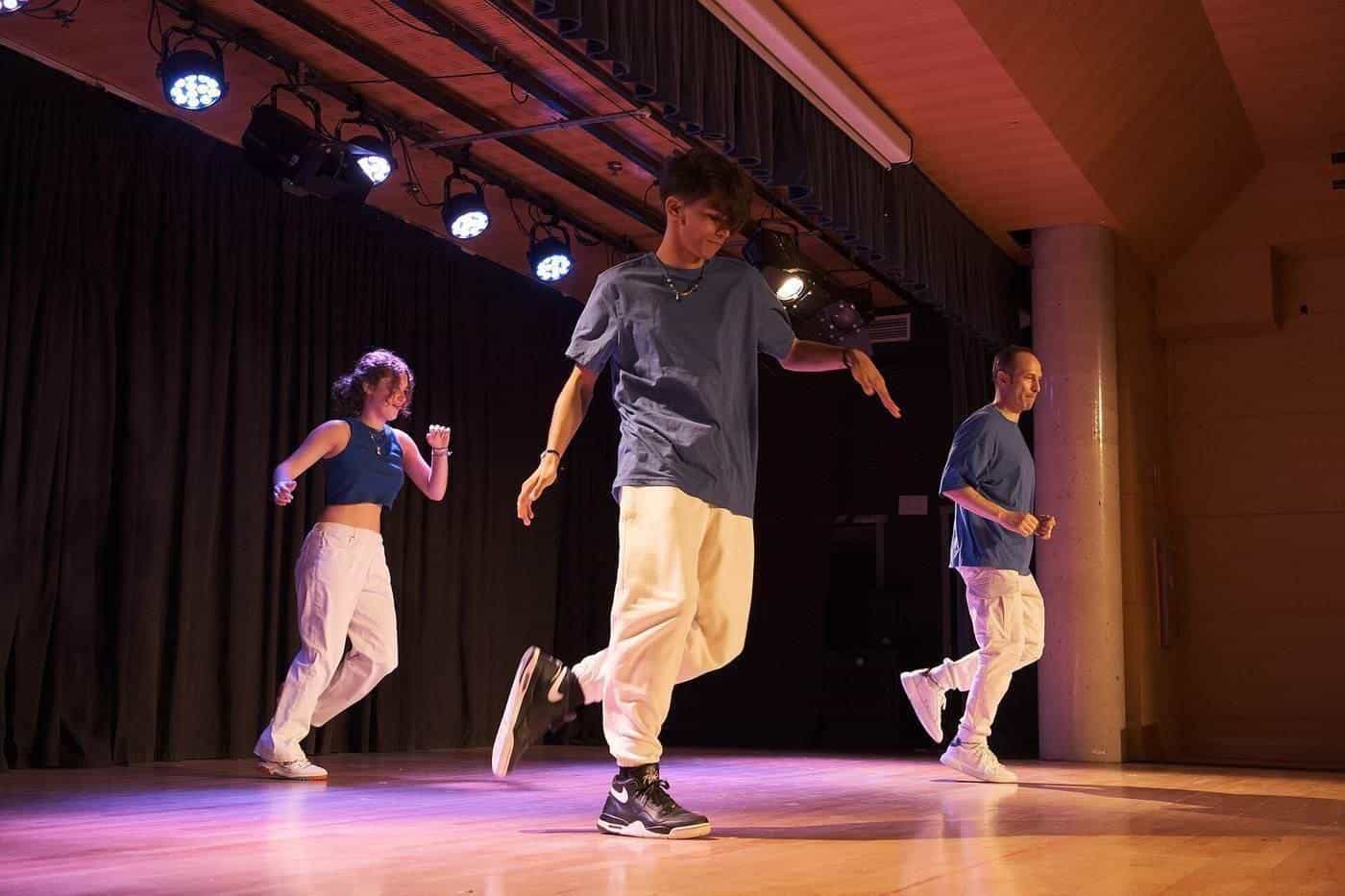
The Melbourne shuffle looks fast and complicated, but it's built from a handful of simple steps. Wikipedia, drawing on published descriptions of the dance, describes its core as the T-step combined with a variation of the running man, performed with coordinated arm movements, with spins, jumps and slides often added. Learn those foundations well and everything else follows.
This section breaks the dance into manageable pieces. Each guide explains a move step by step, with common mistakes, drills and ways to build speed. Work through them in order if you're new, or jump to the move you want to improve.
The guides in this section
- Running man basics: the bouncy, sliding step at the heart of the shuffle. Learn the slide, lift and switch, then add arms.
- T-step and kicks: the travelling, twisting step that gives the shuffle its sideways glide, plus kick variations.
- Spins and transitions: how to turn safely and link moves smoothly so your dancing flows.
- Building a routine: how to map music, build combinations and grow from routines into confident freestyle.
How to learn: slow first, then fast
The biggest mistake beginners make is trying to dance at full speed straight away. Fast footwork done badly locks in bad habits and tires your legs quickly. Instead:
- Learn the shape slowly, without music if necessary.
- Add a slow beat. Our tempo trainer lets you tap or enter a tempo and plan a practice ladder from a slower start to full speed.
- Build speed in small steps, only moving up when the move feels clean.
- Film yourself to check what you can't feel.
- Freestyle, mixing moves to music you enjoy.
What you need to start
- Space: enough room to step and turn without hitting anything.
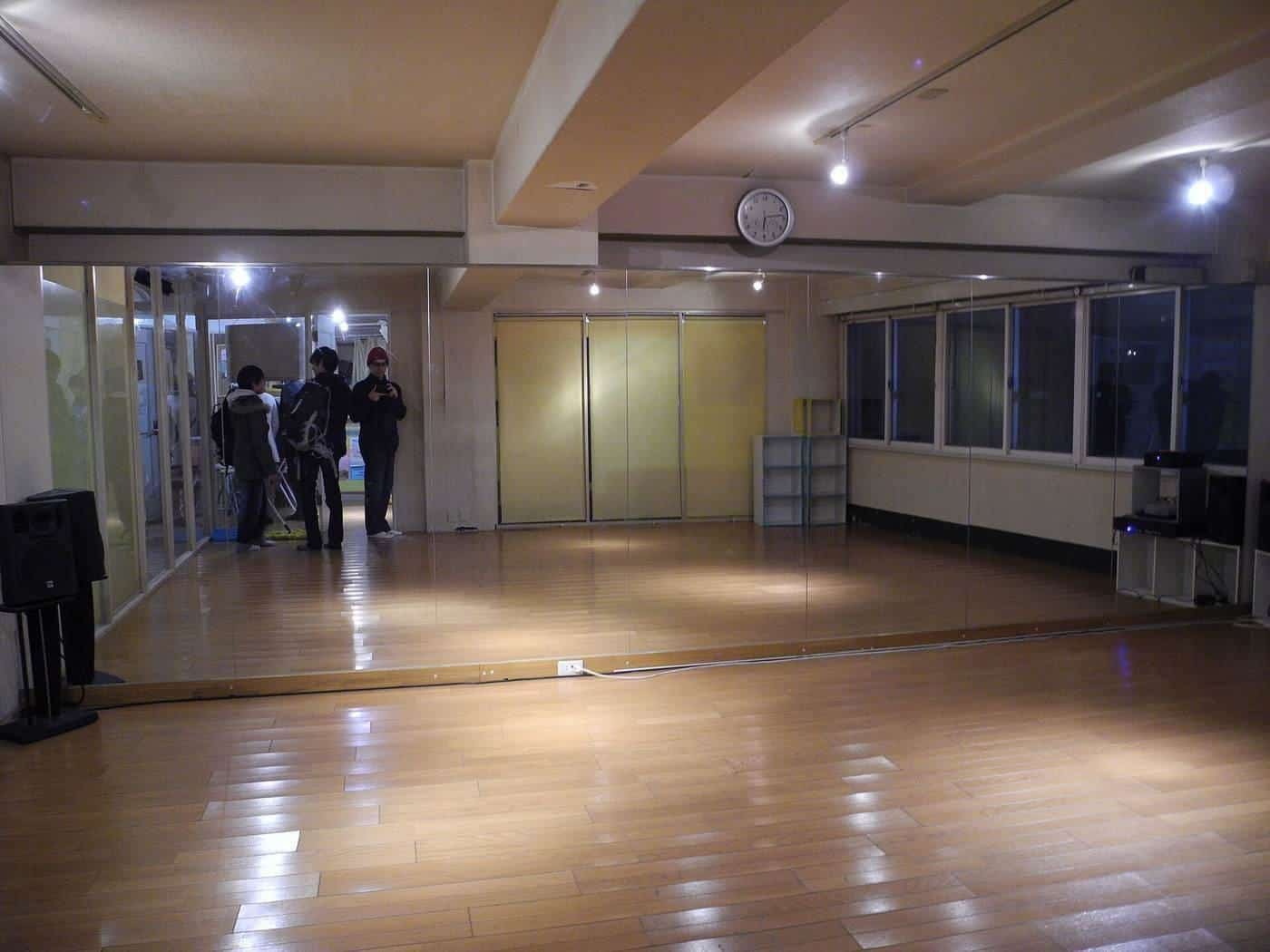
- A suitable floor: smooth, flat and clean. See shoes and floors.
- Comfortable shoes: light sneakers with fairly smooth soles work for most people.
- Music: something with a clear, steady beat. Our guide to music and tempo helps you choose.
- A camera or mirror: to see your footwork.
Counting and timing
Most dance music is phrased in groups of eight counts. Shuffle steps happen on or between beats, so learning to count along is essential. Start each move on count 1, switch moves at the start of a phrase, and you'll look far more musical straight away. If you're not sure where the beat is, listen for the kick drum and tap along.
Arms matter too
The shuffle isn't just footwork. Rhythmic arm movements are part of the dance's character. Early on, keep arms simple: pumping in time with the running man, or swinging naturally with the T-step. Once your feet are confident, experiment with arm patterns that suit your style.
Building good technique
A few principles apply to every move:
- Stay on the balls of your feet for quick, light steps.
- Keep knees soft and aligned with your toes, especially when twisting.
- Engage your core so your upper body stays steady.
- Look up, not at your feet, once you know the move.
- Stay relaxed. Tension makes moves stiff and tiring.
Practising safely
Shuffling is vigorous exercise that loads your calves, ankles and knees. Warm up first; the Heart Research Institute says 5 to 10 minutes is usually sufficient for amateurs. Build up practice gradually, take breaks and stop if something hurts. Our guide to warming up and avoiding injury has a sample warm-up.
A suggested learning path
- Weeks 1–2: running man at slow tempos, then with arms.
- Weeks 3–4: T-step in both directions, then running man to T-step switches.
- Weeks 5–6: kicks, quarter and half turns, and simple transitions.
- Weeks 7–8: your first 16- and 32-count combinations and a short routine.
Everyone learns at a different pace, so treat this as a rough guide rather than a schedule. If a move feels hard, slow it down and spend more time on it.
Learning from others
The shuffle has always spread through people sharing moves, in clubs and later online. Watch other dancers, learn from tutorials and practise with friends. When you learn a distinctive move or routine from someone, credit them. And once you're confident, pass it on to newer dancers.
Common beginner questions
Do I need to be fit? Not to start. Begin with short, gentle sessions and your fitness will build as you practise.
What if I have no rhythm? Rhythm can be learned. Start by tapping along to music and counting in eights before you add steps.
Should I learn on the left or right? Both. Practise every move in both directions so you're not stuck travelling one way.
What about arms? Keep them simple at first and add style once your feet are confident.
Practising both sides
Most people have a stronger side. Practise every move travelling left and right, and spin in both directions. It feels awkward at first, but balanced practice makes freestyle easier and spreads the load evenly across both legs.
Where to go next
Once you're comfortable with the basics, explore the culture section to understand where the dance came from and how to enjoy it on real dance floors, and the practice section for tips on staying safe, choosing shoes and practising at home.
About these guides
Our guides are written for beginners and improvers. We describe moves in plain language and link to published sources where we state facts. They're general information. If you have a health condition or injury, check with a health professional before starting any vigorous exercise.
Guides in this section
Learn
The running man
Learn the shuffle running man step by step: the slide, the lift, timing to the beat, arm movement, common mistakes and practice drills.
Read · 6 min
Learn
The T-step and kicks
Learn the shuffle T-step: heel and toe swivels, travelling sideways, adding kicks and combining the T-step with the running man.
Read · 6 min
Learn
Spins and transitions
How to add spins, slides and transitions to your shuffle: spotting, the 360 spin, changing direction and linking moves on the beat.
Read · 5 min
Learn
Building a routine
Build a shuffle routine: choosing a track, counting phrases, writing combinations, adding variety, practising sections and freestyling.
Read · 6 min
Frequently asked questions
What should I learn first?
Start with the running man, then the T-step. Together they form the core of the Melbourne shuffle, according to the published descriptions summarised on Wikipedia.
How long does it take to learn?
It varies widely. Short, regular practice sessions and starting slowly help most people progress.
Do I need a teacher?
No. Many shufflers learn from videos and practice at home, though classes and friends can help.
Can adults learn the shuffle?
Yes. People of many ages shuffle. Start gently and build up, especially if you haven’t exercised for a while.
Sources and further reading
Facts on this page were checked against these primary and official sources. Conditions change — confirm before you travel or buy.
- Melbourne shuffle — Wikipedia
- How to warm up properly — Heart Research Institute