
Learning moves is only half the story. How you practise decides how quickly you improve, how comfortable your body feels and whether you can keep dancing for years. Shuffling is vigorous, repetitive exercise, usually done to loud music, often at home or in crowded venues. Each of those things deserves a little thought.
This section covers the practical side of shuffling: preparing your body, choosing shoes and floors, protecting your hearing and practising at home without upsetting the neighbours.
The guides in this section
- Warming up and avoiding injury: a sample warm-up, pacing your practice, common strain areas and when to stop.
- Shoes and floors: balancing grip and glide, what to look for in shoes and how different surfaces behave.
- Protecting your hearing: decibel levels, earplug types, headphone habits and warning signs.
- Practising at home: setting up a space, Victoria's music noise times, footwork noise and planning sessions.
Your body: warm up and pace yourself
The running man and T-step involve thousands of quick, repeated movements that load your calves, ankles, knees and hips. The Heart Research Institute explains that a gentle warm-up raises your heart rate gradually and warms your muscles and joints, and says 5 to 10 minutes is usually sufficient for amateurs. It also notes that stretching alone does not appear to help prevent injury, so start with active movement.
Build practice time gradually, include rest days and stop if something hurts.
Your feet: shoes and floors
Shuffling depends on a balance between grip and glide. Shoes with smooth, fairly flat soles slide more easily; grippy soles stick and can twist your knees. Floors matter just as much: sealed timber and smooth concrete are popular, while carpet and grass make slides hard. Test each surface before you dance hard, and adapt your moves to it.
Your ears: protect your hearing
Loud music is part of shuffle culture, but noise damage is permanent. Know Your Noise says repeated or lengthy exposure to sounds at or above 85 decibels can cause hearing loss, and the US National Institute on Deafness and Other Communication Disorders gives average levels of 94 to 110 dBA for concerts. Earplugs designed for music, distance from speakers and regular breaks make a big difference. Keep headphone volume moderate during practice.
Your neighbours: practise considerately
Most shufflers practise at home. EPA Victoria lists prohibited times for stereos, radios and similar audio goods when they can be heard inside a neighbour's home, such as before 7am and after 10pm Monday to Thursday. Footwork noise can travel through floors too. Headphones, mats for jump-heavy drills and considerate timing help keep the peace.
A practice session that works
A simple, balanced session might look like this:
- Warm-up: 5 to 10 minutes of gentle movement and slow steps.
- Technique: drill one move slowly with the tempo trainer.
- Combinations: work on part of a routine.
- Freestyle: dance to a track you love.
- Cool-down: easy steps and gentle stretching.
Short, regular sessions usually beat occasional marathons.
Tracking your progress
Film yourself regularly and compare clips over weeks. Note which moves feel comfortable at which tempos. Seeing progress keeps you motivated, and video shows problems you can't feel, such as rushing the beat or leaning back.
Practising with others
Practising with friends is motivating and fun. Swap combinations, give each other feedback and challenge each other to freestyle. If you practise together at home or in a shared space, the same considerations apply: clear space, a suitable floor and sensible volume.
When to get help
See a doctor or physiotherapist about pain that doesn't settle, swelling or pain that gets worse with dancing. See a doctor about ongoing ringing in the ears or hearing changes, and get urgent help for sudden hearing loss. In an emergency, call triple zero (000).
Small habits, big difference
You don't need to overhaul everything at once. Pick one habit at a time: a proper warm-up this week, earplugs in your bag next week, a practice diary the week after. Small, consistent changes add up, and they make every session safer, more comfortable and more productive. Over months, those habits are what separate dancers who keep improving from those who stall or get hurt.
Gear checklist
A simple kit makes practice easier: comfortable, supportive shoes with suitable soles; a water bottle; earplugs for loud events; headphones for considerate home practice; and a phone stand for filming. None of it needs to be expensive. What matters is having what you need ready, so it's easy to start a session whenever you have time.
Rest is part of training
Your body adapts and gets stronger between sessions, not during them. Rest days, sleep and good food are part of improving. If you dance every day, alternate harder and easier sessions.
Where to go next
Ready to learn? The learn section has step-by-step guides to the core moves. To understand the music and the scene, explore the culture section.
About these guides
Our practice guides are general information based on published health and government sources, which we link on each page. They're not medical or legal advice. If you have a health condition or injury, talk to a health professional before starting vigorous exercise.
Guides in this section
Practice
Warming up and avoiding injury
How to warm up for shuffling, why gentle movement beats stretching alone, pacing practice, common strain areas and when to stop and get help.
Read · 5 min
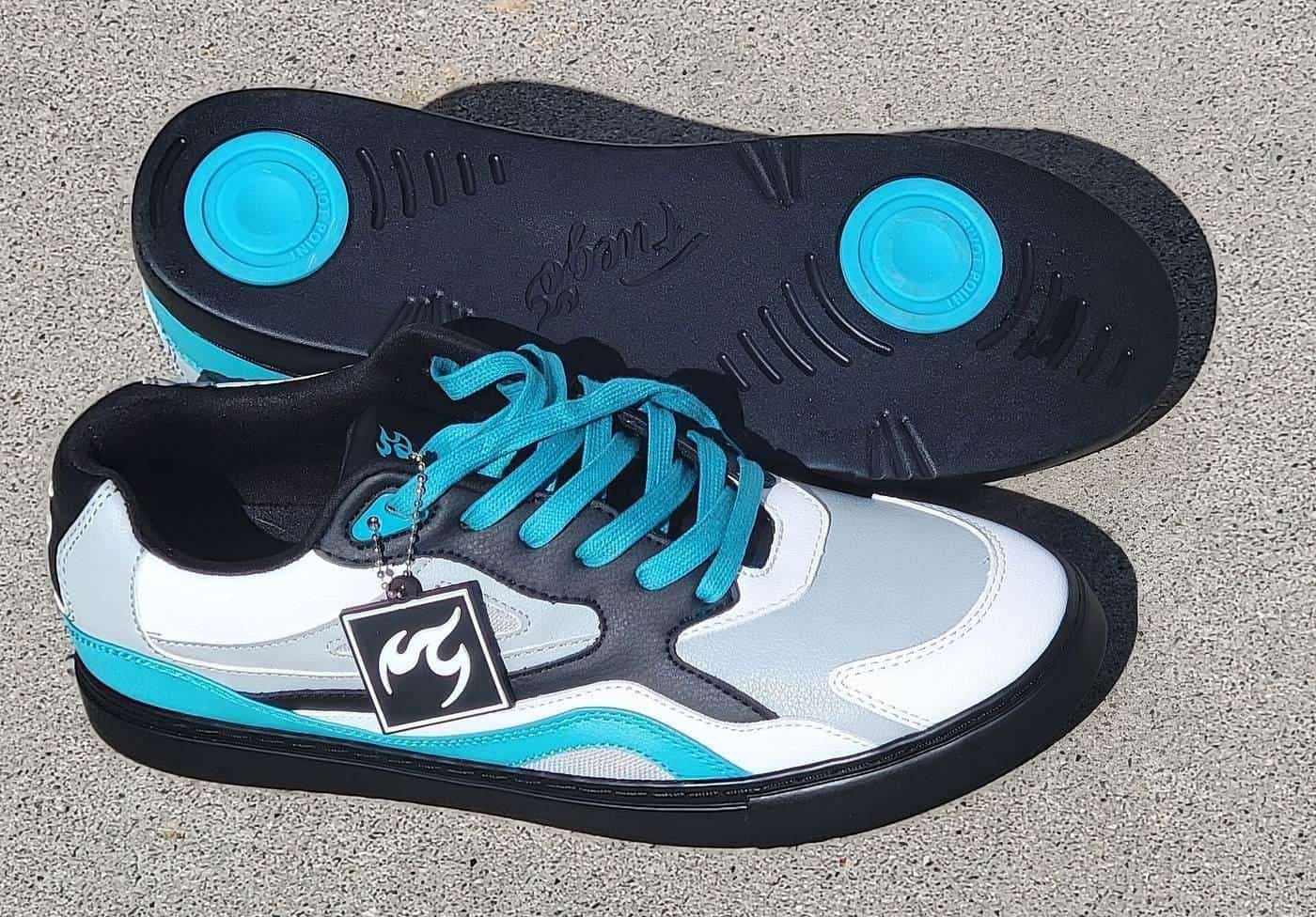
Practice
Shoes and floors
How shoe soles and floor surfaces affect shuffling, what to look for in dance shoes, and how to practise safely on different floors.
Read · 5 min
Practice
Protecting your hearing
Loud music can damage hearing. What decibel levels mean, how to protect your ears at clubs and practice, earplug types and when to seek help.
Read · 5 min
Practice
Practising at home
Set up a home shuffle practice space, keep music and footwork noise considerate, know Victoria’s music noise times and plan sessions.
Read · 5 min
Frequently asked questions
How long should I warm up?
The Heart Research Institute says 5 to 10 minutes is usually sufficient for amateur athletes and time-poor people getting back into exercise.
What shoes are good for shuffling?
Light, supportive sneakers with fairly smooth, flat soles suit many shufflers.
How loud is too loud?
Know Your Noise says repeated or lengthy exposure at or above 85 decibels can cause hearing loss.
When can I play music at home in Victoria?
EPA Victoria’s prohibited times for stereos and similar audio goods apply if the music can be heard inside a neighbour’s home, such as after 10pm Monday to Thursday.
Sources and further reading
Facts on this page were checked against these primary and official sources. Conditions change — confirm before you travel or buy.
- How to warm up properly — Heart Research Institute
- Hearing health — Know Your Noise (National Acoustic Laboratories)
- Residential noise — EPA Victoria