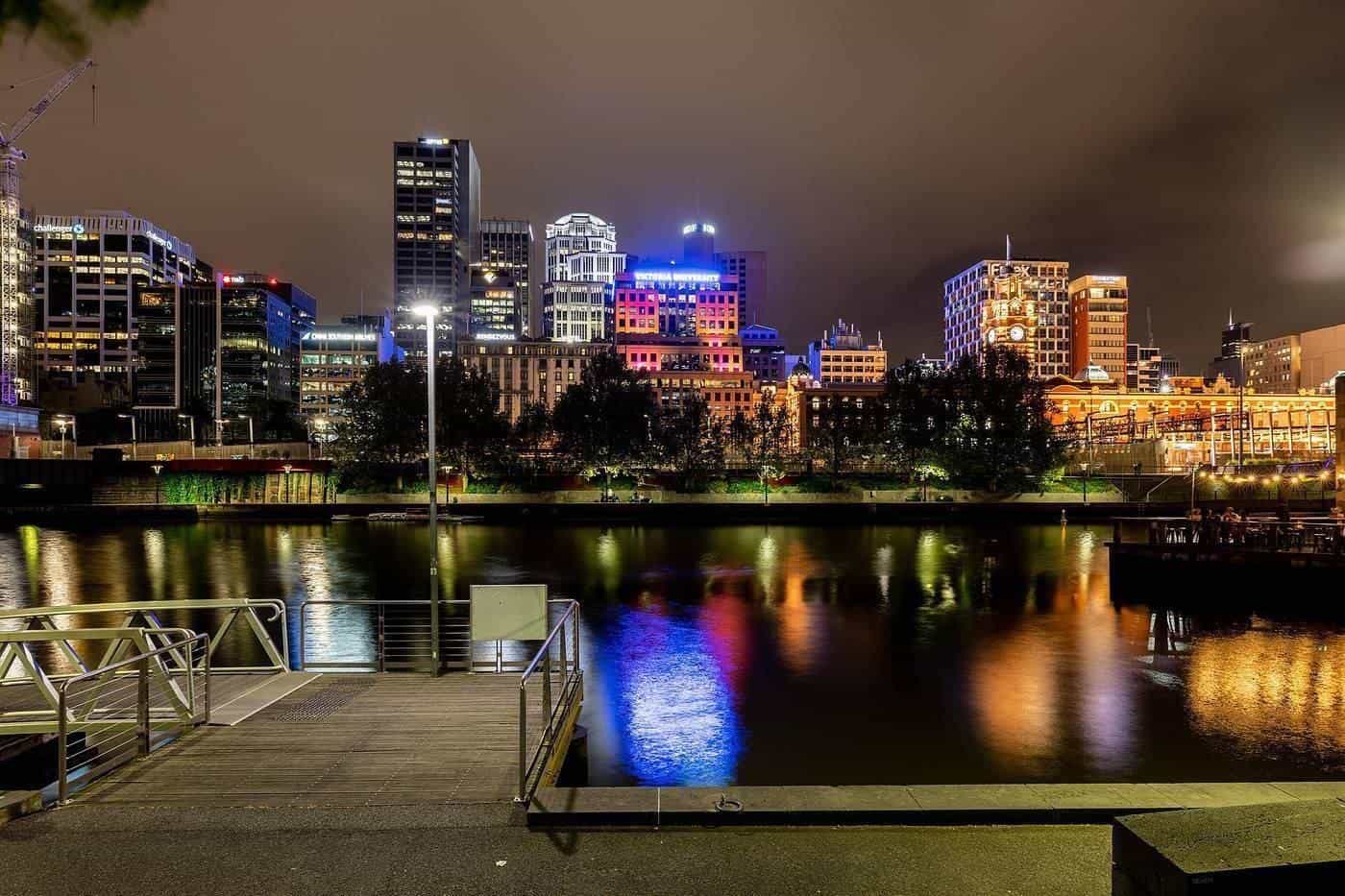
Every dance carries a story, and the Melbourne shuffle's story is tied to a city, a music scene and a community of dancers. It emerged in Melbourne's rave and club scene in the late 1980s and early 1990s, became associated with particular clubs through the 1990s and 2000s, and then spread around the world through club culture, media coverage and online video. Understanding that story makes you a better dancer and a better member of the community.
This section explores the culture around the shuffle: where it came from, the music it lives in, how to enjoy it on real dance floors and how to share it online responsibly.
The guides in this section
- A short history of the Melbourne shuffle: the clubs, the events, the 2009 Scooter video, the 2011 LMFAO reference, the UK's cutting shapes and even a computer algorithm named after the dance.
- Music and tempo: beats, bars, phrases and BPM, and how to choose music that suits your level.
- Festivals and clubs: dance floor etiquette, finding space, heat, hearing and looking after friends.
- Filming and sharing videos: setting up your shot, editing to the beat and getting your head around music permissions.
A dance born in Melbourne
Few dances carry a city's name. According to the published accounts summarised on Wikipedia, the Melbourne shuffle developed within the city's rave and club scene and became closely associated with venues including Hard Kandy, Bubble, Xpress at Chasers, Heat, Mercury Lounge, Viper, Two Tribes at Chasers and PHD. Early techno events such as Biology, Hardware and Every Picture Tells a Story were also popular with shufflers.
That history lives largely in memories, flyers, photos and old videos. If you were part of the early scene, sharing your stories, with care for other people's privacy, helps keep that history alive.
Music at the heart of it
The shuffle grew up with electronic dance music. Its fast footwork responds to the driving beats of the styles played in Melbourne's clubs and raves, and as the music changed over the years, the dance changed with it. Learning to hear beats, phrases and the structure of tracks is one of the biggest steps you can take as a dancer. Our tempo trainer helps you measure a track's BPM and plan your practice speeds.
From dance floor to screen
Video changed the shuffle. Online video sharing let dancers learn from each other across the world, and pop culture moments brought the dance to huge audiences. Today short clips are how many people discover shuffling. That brings opportunities and responsibilities, from music permissions to respecting the people you film.
APRA AMCOS says that if you create your own video with music and want to upload it online, you need permission from the copyright owners. Our filming guide explains what that means in practice.
Life on the dance floor
Dancing on a real floor with a great sound system is what the shuffle is all about. It's also a shared space, often loud, hot and crowded. Good etiquette means keeping moves compact in a crowd, respecting other people's space and helping newcomers. Looking after yourself means protecting your ears, staying hydrated and pacing yourself.
Know Your Noise, from Australia's National Acoustic Laboratories, advises putting distance between yourself and the speakers at loud music events and using hearing protection. Our hearing guide explains more.
A global community
The shuffle now has communities in many countries, each adding local flavour. A related style in the United Kingdom became widely known as cutting shapes by 2012. Online, dancers trade moves, challenges and tutorials. Whatever style you dance, remembering the shuffle's Melbourne roots connects you to a long tradition.
Respect and credit
Shuffle culture has always been built on sharing. A few principles keep it healthy:
- credit dancers whose moves or routines you learn from;
- never reupload someone else's video as your own;
- ask before filming people up close or posting clips where they're identifiable;
- support local events, DJs and venues;
- welcome beginners and share what you know.
Supporting the scene
The shuffle depends on places to dance and people making music. Going to local events, buying music from the artists you love, following DJs and promoters, and treating venue staff well all help keep the scene healthy. Online, sharing tutorials, crediting dancers and encouraging beginners keeps the community welcoming. Every shuffler, new or experienced, plays a part in where the dance goes next.
Stories from the dance floor
Ask any long-time shuffler and they'll have stories: the club where they first saw the dance, the friend who taught them the running man, the video that changed their style. These personal stories are a big part of shuffle culture. Share yours with newer dancers, and listen to theirs.
Where to go next
New to the dance? Head to the learn section for step-by-step guides to the running man, T-step and more. For tips on warming up, shoes, hearing and home practice, visit the practice section.
About these guides
We write our culture guides from published sources and clearly mark where we're relying on them. Shuffle history is informal and memories differ, so we avoid repeating unverified claims about who invented what. If you have corrections or first-hand knowledge, please get in touch.
Guides in this section
Culture
History of the shuffle
How the Melbourne shuffle grew out of Melbourne’s late-1980s rave scene, its clubs and events, and how it spread around the world.
Read · 6 min
Culture
Music and tempo
Understand beats, bars, phrases and BPM, how tempo changes your shuffling, and how to choose and practise with tracks at the right speed.
Read · 6 min
Culture
Festivals and clubs
How to shuffle at festivals and clubs: dance floor etiquette, finding space, hearing protection, heat, hydration and looking after friends.
Read · 5 min
Culture
Filming and sharing videos
Film better shuffle videos: framing, lighting, phone setup, editing to the beat, music permissions and respecting people in public places.
Read · 5 min
Frequently asked questions
Where did the Melbourne shuffle come from?
Melbourne’s rave and club scene in the late 1980s and early 1990s, according to published accounts summarised on Wikipedia.
What music is the shuffle danced to?
It’s typically performed to electronic dance music, though today people shuffle to many styles with a strong beat.
Can I use any song in my shuffle video?
Not without permission. APRA AMCOS says you need permission from copyright owners to upload your own video with music.
Is cutting shapes the same thing?
It’s a related style that developed in the United Kingdom and was widely called cutting shapes by 2012.
Sources and further reading
Facts on this page were checked against these primary and official sources. Conditions change — confirm before you travel or buy.
- Melbourne shuffle — Wikipedia
- Hearing health — Know Your Noise (National Acoustic Laboratories)
- Online licences — APRA AMCOS