Few dances are named after a city. The Melbourne shuffle grew out of Melbourne's underground dance music scene and became recognised around the world. Its history lives mostly in memories, club flyers, early internet forums and videos rather than in books, so details vary depending on who you ask. This guide draws on the published accounts summarised in Wikipedia's article on the dance, which cites reporting from The Age, Vice and others. If you were part of the scene and spot something we've missed, we'd love to hear from you through our contact page.
Late 1980s
Origins
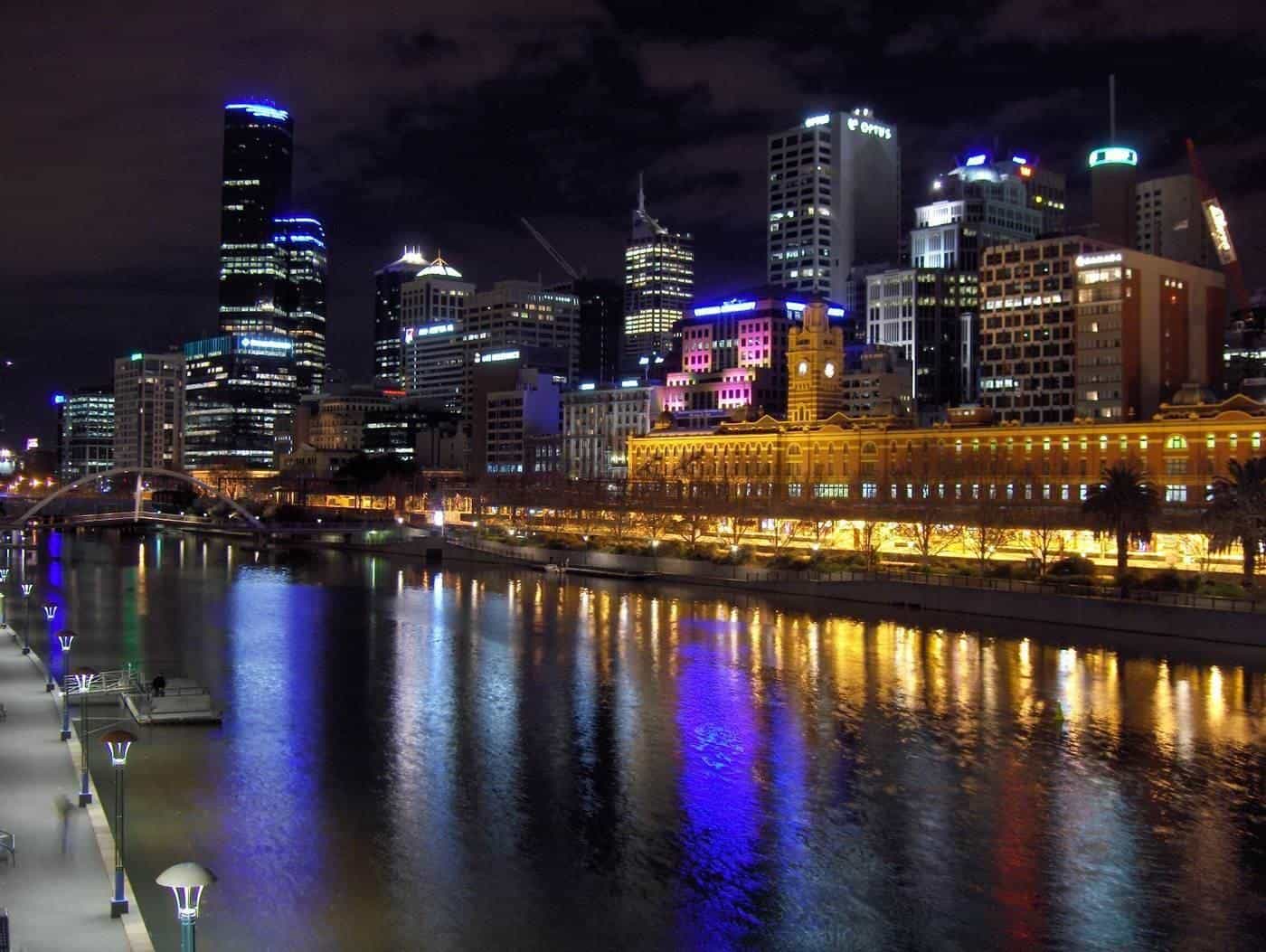
Melbourne's rave and club scene
2009
Global exposure
A Scooter music video filmed in Melbourne
2014
An algorithm named after it
By Brown University researchers
Origins in Melbourne's rave scene
According to the sources summarised by Wikipedia, the Melbourne shuffle emerged within Melbourne's rave and club scene in the late 1980s and early 1990s. This was a period when electronic dance music, including house, techno and later trance and hard dance, was spreading through warehouse parties, raves and clubs around the world. In Melbourne, dancers developed a distinctive way of moving to the fast, driving beats: quick, gliding footwork combined with rhythmic arm movements.
Early Melbourne techno events are remembered as popular with shuffle dancers. Wikipedia names events such as Biology, Hardware and Every Picture Tells a Story.
The club years
During the 1990s and 2000s, the shuffle became closely associated with particular Melbourne clubs. Wikipedia lists venues including Hard Kandy, Bubble, Xpress at Chasers, Heat, Mercury Lounge, Viper, Two Tribes at Chasers and PHD, citing Vice. Each scene had its own crowd, music and style, and dancers often recognised each other by the way they moved.
A 2002 article in The Age, cited by Wikipedia, describes shufflers repeatedly moving their feet inward and outward while moving their arms in time with the beat, and notes that some dancers used talcum powder or liquid on floors to help sliding movements.
What makes it the shuffle
Wikipedia, citing Vice, describes the core movements as the T-step, a variation of the jazz tick-tock, combined with a variation of the running man, performed with coordinated arm movements. Spins, jumps and slides are common additions. The dance is typically improvised, with dancers responding to the music in the moment rather than performing set routines.
Locally, many dancers simply call it shuffling, and styles have changed over the decades as music and fashions have changed. Our guides to the running man and the T-step explain the core steps.
Spreading beyond Melbourne
As electronic dance music reached wider audiences, the shuffle spread through club culture, media coverage and online video sharing. Early video-sharing websites made it possible for dancers in Melbourne to post clips and for people elsewhere to learn from them, often for the first time.
Two moments in pop culture are often mentioned. Wikipedia notes that in 2009, the German hard dance group Scooter released "J'adore Hardcore", whose music video featured dancers Pae and Sarah Miatt performing the shuffle in Melbourne. And in 2011, the American dance music duo LMFAO referenced the shuffle in their hit "Party Rock Anthem", which helped bring the word "shuffling" to a huge international audience.
Related styles
A related style of shuffling developed in the United Kingdom. Wikipedia says that by 2012 it was widely referred to as "cutting shapes". Elsewhere, shuffling communities grew in many countries, each blending the Melbourne-style footwork with local music and dance influences. Online, shuffling has continued to evolve, with new generations of dancers learning from short-form videos.
An unexpected namesake
In 2014, researchers at Brown University in the United States named a computer security algorithm after the Melbourne shuffle. According to Wikipedia, the algorithm deletes traces of users' access on cloud servers by shuffling the location of data on those servers. It's an unusual tribute: a dance born on Melbourne dance floors lending its name to a piece of computer science.
Why history matters to dancers today
Knowing where the shuffle came from helps you appreciate it as more than a set of moves. It grew out of a specific music scene, specific clubs and a community of dancers who shared and competed with each other. Today's shufflers are part of that story. Respecting the culture means:
- crediting dancers whose moves or styles you learn from;
- understanding the music the dance grew up with;
- supporting local events and venues where you can;
- sharing what you know with newer dancers.
Preserving the shuffle's history
Much of the shuffle's history is held in personal photos, flyers, videos and memories. Some ways people help preserve it include:
- sharing old flyers and photos with appropriate context and permission;
- recording interviews with people who were part of the early scene;
- labelling old videos with dates, venues and dancers' names where known;
- contributing to community archives and discussions.
If you're sharing other people's photos or videos, ask permission and respect their wishes, especially where people can be identified.
Learning more
To understand the dance's roots, listen to the music. Our guide to music and tempo explains the styles of electronic music commonly associated with shuffling and how tempo affects your dancing. If you're heading out to dance, our guide to festivals and clubs covers dance floor etiquette and looking after yourself.
How the dance changed over time
Like any street or club dance, the shuffle has never stood still. Dancers who learned in Melbourne clubs in the 1990s often describe a different feel from the style that later spread online. Changes in music, from earlier techno and hard house through to trance, hardstyle and modern electronic genres, encouraged changes in footwork speed, arm styles and the use of spins and slides. Video sharing also changed how people learned. Instead of picking up moves by watching dancers in a club, newer shufflers could study clips frame by frame, which helped particular moves spread quickly across the world.
Because the dance is improvised, there's no single correct version. Each era and each community has added its own flavour. That variety is part of what keeps the shuffle alive.
Shuffling as community
Throughout its history, the shuffle has been a social dance. Dancers met at clubs and events, swapped moves, formed crews and later connected through online forums and video channels. For many people, shuffling was a way to belong to a scene and express themselves through music. That community spirit continues today in local meetups, online challenges and festival dance floors, where experienced dancers often help beginners pick up their first steps.
A note on sources
Because so much of the shuffle's story is informal, published sources are limited. We've stuck to what's reported in the sources summarised on Wikipedia and avoided repeating unverified claims about who invented particular moves. When you read about the dance's history online, look for sources that cite original reporting or first-hand accounts.
Key points
- The Melbourne shuffle emerged in Melbourne's rave and club scene in the late 1980s and early 1990s.
- It became closely associated with particular Melbourne clubs during the 1990s and 2000s.
- Its core is the T-step and a variation of the running man, with arm movements, spins and slides.
- It spread through club culture, media and online video, including a 2009 Scooter video and a 2011 LMFAO reference.
- A related UK style became known as cutting shapes, and a 2014 algorithm was named after the dance.
Frequently asked questions
When did the Melbourne shuffle start?
Published accounts summarised on Wikipedia place its origins in Melbourne’s rave and club scene in the late 1980s and early 1990s.
Which clubs were associated with the shuffle?
Wikipedia lists Melbourne clubs including Hard Kandy, Bubble, Xpress at Chasers, Heat, Mercury Lounge, Viper, Two Tribes at Chasers and PHD as closely associated with the dance in the 1990s and 2000s.
How did the shuffle become known overseas?
Through club culture, media coverage and online video sharing. A 2009 Scooter music video featured Melbourne dancers, and a 2011 LMFAO hit referenced shuffling.
Is cutting shapes the same as the Melbourne shuffle?
They’re related. Wikipedia says a related style developed in the United Kingdom and was widely called cutting shapes by 2012.
Why is there a computer algorithm called the Melbourne shuffle?
In 2014, researchers at Brown University named a cloud data security algorithm after the dance, because it shuffles data around on servers.
Sources and further reading
Facts on this page were checked against these primary and official sources. Conditions change — confirm before you travel or buy.
- Melbourne shuffle — Wikipedia