The shuffle was born on dance floors, and nothing beats dancing to a great sound system with a crowd around you. But clubs and festivals are shared spaces, often loud, hot and crowded. A little planning and some etiquette make the experience better for you and everyone around you. This guide covers sharing the floor, finding space, protecting your ears, coping with heat and looking after each other.
Compact
Moves in a crowd
Save big spins for open space
Earplugs
Pack them
Loud music can damage hearing
000
Emergency number
Or find first aid staff
Dance floor etiquette
A dance floor works when everyone respects each other's space:
- Read the room. On a packed floor, keep your footwork tight and arms close. Save big spins, kicks and slides for when there's room.
- Don't take over. Shuffling can take up space quickly. Avoid pushing others aside to create a circle unless people are clearly making room.
- Watch your feet. Fast footwork near other people's feet risks trodden toes and trips.
- Be careful with drinks. Keep drinks off the dance floor where they can spill and make the floor slippery.
- Don't film people without care. Many people don't want to appear in videos. See our guide to filming and sharing videos.
- Be welcoming. If someone wants to learn, share a step. That's how the culture grew.
Finding your space
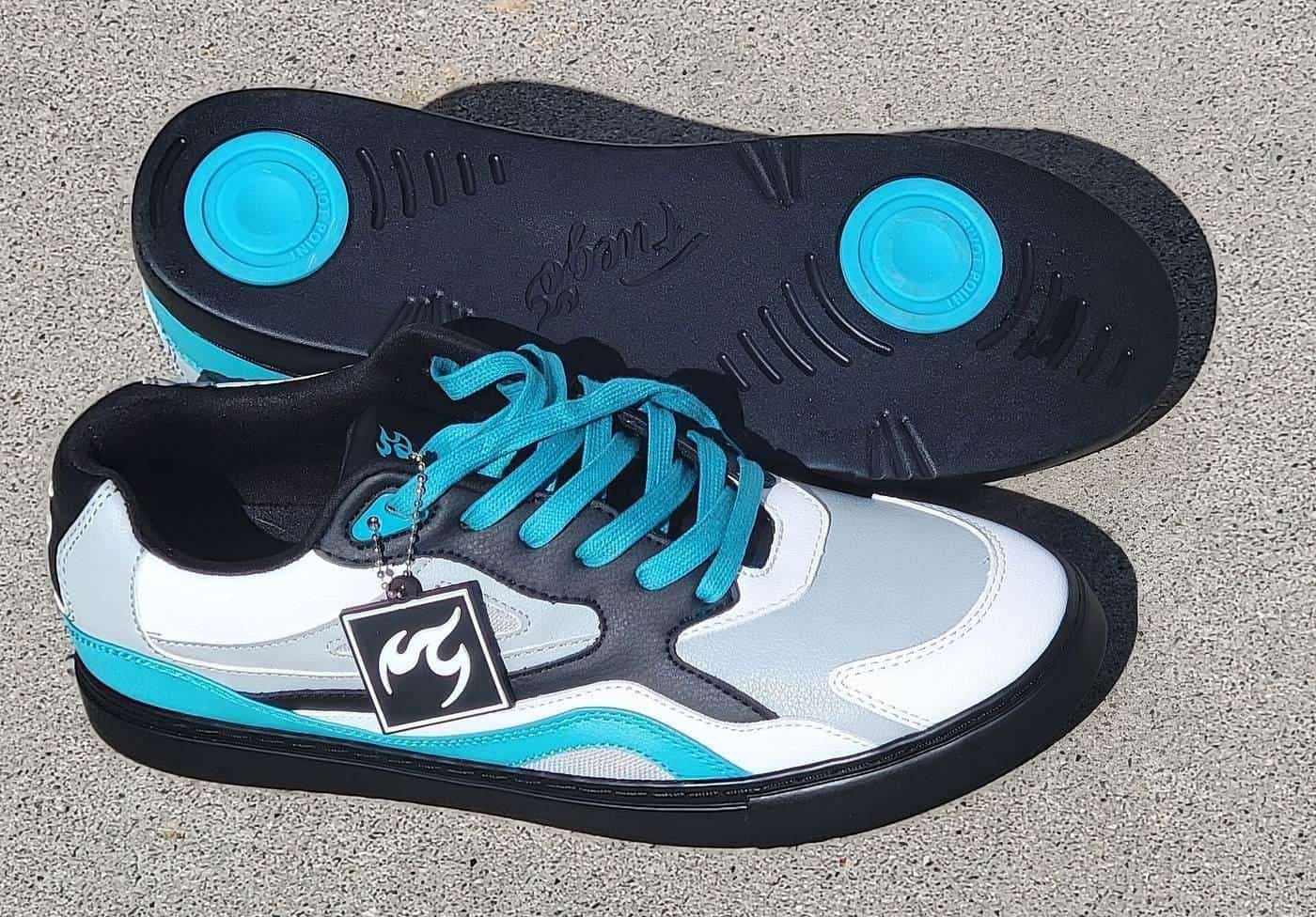
Good spots for shuffling include the edges of the floor, spaces behind the main crowd and areas where other dancers are already moving. Avoid spots directly in front of speakers, both for your hearing and because these areas are often crowded. Check the floor surface too. Some floors are sticky, wet or uneven, which affects how your feet move. Our guide to shoes and floors has tips.
Protecting your hearing
Clubs and festivals can be very loud. Know Your Noise, a hearing health resource from Australia's National Acoustic Laboratories, says repeated or lengthy exposure to sounds at or above 85 decibels can cause hearing loss. For loud music events such as clubs and gigs, it advises putting distance between yourself and the speakers, using hearing protection and taking regular breaks in quieter areas. The US National Institute on Deafness and Other Communication Disorders lists attending loud concerts as a recreational risk, with average levels of 94 to 110 dBA.
Simple habits help:
- wear earplugs, ideally ones designed for music that reduce volume while keeping sound clear;
- keep some distance from speakers;
- take regular breaks in quieter areas;
- notice ringing or muffled hearing after events, which is a sign your ears were exposed to too much noise.
Our guide to protecting your hearing goes into more detail.
Heat and hydration
Shuffling is vigorous exercise, and crowded venues and summer festivals can be hot. healthdirect's advice on hot weather includes drinking water regularly, avoiding strenuous activity in the hottest part of the day where you can, staying in the shade and knowing the signs of heat-related illness.
At events:
- drink water regularly, even if you don't feel thirsty;
- take breaks from dancing to cool down;
- wear light, breathable clothing and, outdoors, a hat and sunscreen;
- know where water stations, shade and first aid are;
- check on friends who've been dancing hard.
If you or a friend feel dizzy, confused, very hot, nauseous or unwell, stop dancing and get help from first aid staff. In an emergency, call triple zero (000).
Looking after each other
Going with friends makes events more fun and safer:
- agree on a meeting point in case you get separated;
- keep phones charged and know how to find each other;
- look out for anyone who seems unwell or distressed, and get help from staff;
- respect people's personal space and boundaries on the dance floor.
What to bring
A typical festival kit for dancers includes:
- comfortable, supportive shoes suited to the surface;
- earplugs;
- a refillable water bottle if allowed;
- sun protection for outdoor events;
- a light layer for cooler evenings;
- a charged phone.
Check each event's rules about what you can bring.
Pacing yourself
Long events demand stamina. Warm up before you start dancing hard, take regular breaks, eat properly and don't push through pain. If you're sore after big events, give your body time to recover. Our guide to warming up and avoiding injury has more.
Respecting venues and the scene
Venues and events keep the scene alive. Follow staff instructions, respect the venue's rules and treat staff and other patrons well. Supporting local events, DJs and venues helps make sure there are places to dance in the future.
Your first big event
If it's your first festival or big club night as a shuffler, a few tips help:
- Arrive with energy. Eat a proper meal beforehand and drink water through the day.
- Scout the floor. Walk around before you dance hard. Note the surface, where there's space, where the speakers are and where to find water and first aid.
- Start gently. Warm up with easy steps for the first few tracks rather than going full speed straight away.
- Don't worry about being watched. Most people are focused on their own night. If someone joins in or asks about your moves, enjoy it.
- Plan your exit. Know how you're getting home before the event ends, especially late at night.
Outdoor versus indoor dancing
Outdoor festivals bring their own challenges. Grass can be slippery or uneven, dust can be tiring, and weather can change quickly. Many shufflers find grass slows their slides, so they focus on running men and kicks rather than gliding moves. Indoor club floors are often smoother but can become slippery with spilled drinks. Either way, adapt your style to the surface and the crowd rather than forcing moves that don't suit the conditions.
Shuffling in a group
Dancing with a crew is a big part of shuffle culture. If you dance as a group, keep an eye on each other's space, agree on where you'll dance and make sure you aren't blocking others. Group circles can be great fun when the crowd joins in, but let them form naturally.
After the event
Big nights take a toll. Drink water, eat something and get some rest. Gentle walking and stretching the next day can help stiff legs. Notice how your ears feel; ringing or muffled hearing is a sign to wear better protection next time. If you have pain that doesn't settle, or hearing that doesn't return to normal, see a doctor. Then look back on what worked, from your shoes to your earplugs, and adjust your kit for the next event.
Know the event's support services
Most large events have first aid, security, water points and information stalls. Find them on the event map when you arrive and point them out to your friends, so everyone knows where to go if they need help.
Key points
- Keep moves compact on crowded floors and save big moves for open space.
- Protect your hearing with earplugs, distance from speakers and breaks.
- Stay cool and hydrated, and know the signs of heat-related illness.
- Go with friends, agree a meeting point and look out for each other.
- Get help from staff or first aid if anyone is unwell, and call 000 in an emergency.
Frequently asked questions
Is it okay to shuffle in a crowded club?
Yes, but keep your moves compact, watch your space and avoid big kicks, spins or slides that could hit someone.
How loud are clubs?
Very loud. The US National Institute on Deafness and Other Communication Disorders gives an average of 94 to 110 dBA for concerts, well above the 85 dBA level at which long or repeated exposure can cause hearing loss. Earplugs and breaks help.
How do I stay safe in the heat at a festival?
Drink water regularly, take breaks in the shade, wear sun protection and know the signs of heat-related illness. Seek help from first aid if you or a friend feel unwell.
What should I wear to dance at a festival?
Comfortable shoes suited to the surface, layers for changing weather, and sun protection for outdoor events.
What if someone gets hurt or unwell?
Get help from security, first aid or event staff straight away. In an emergency, call triple zero (000).
Sources and further reading
Facts on this page were checked against these primary and official sources. Conditions change — confirm before you travel or buy.
- Hearing health — Know Your Noise (National Acoustic Laboratories)
- Noise-induced hearing loss — US National Institute on Deafness and Other Communication Disorders
- Hot weather risks and staying cool — healthdirect