The Melbourne shuffle is built on a small number of footwork patterns repeated with style and speed. Wikipedia's summary of the dance, drawing on press accounts, describes its core as a combination of the T-step and a variation of the running man, performed with coordinated arm movements to electronic dance music. The running man is the step most beginners learn first, and once it clicks, a lot of other moves become easier. This guide breaks it down slowly, then shows you how to put it on the beat.
2 moves
At the core of the dance
Running man and T-step
Slide
Not a hop
The standing foot glides back
Slow first
Then build speed
Use the tempo trainer
Before you start
You need very little to learn the running man:
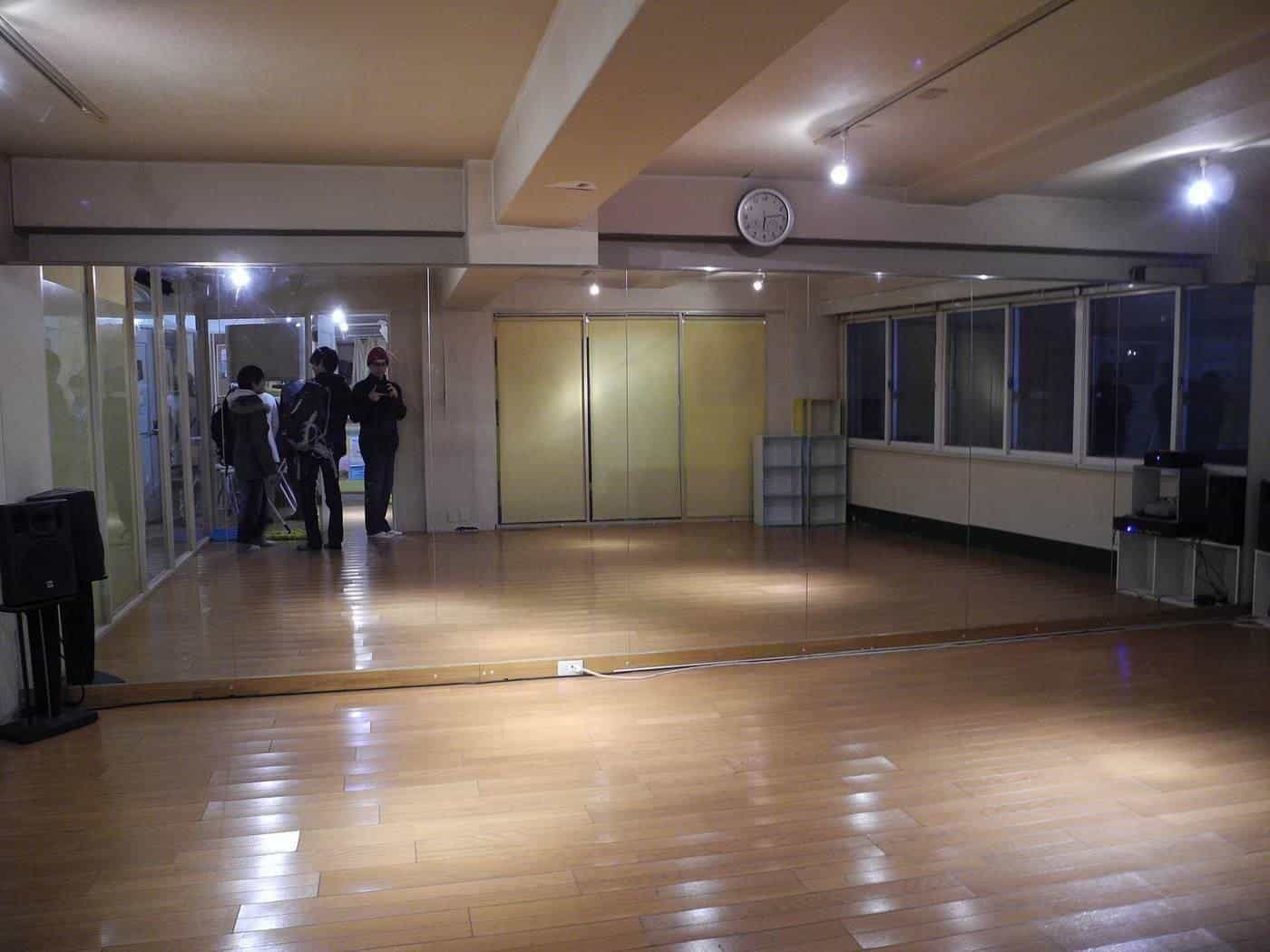
- A smooth floor such as timber, laminate or polished concrete. Carpet makes sliding hard, and grippy rubber floors can twist your knees.
- Shoes with a fairly flat, smooth sole. Socks slide well but can be slippery, so take care. See our guide to shoes and floors.
- Some space, about two metres square.
- A mirror or phone camera, so you can see what your feet are doing.
- A short warm-up. A few minutes of marching, light jogging on the spot and gentle leg swings gets your body ready. See warming up.
The running man, slowly
Stand with your feet hip-width apart, knees soft, weight slightly forward. We'll start with the right knee lifted.
- Lift your right knee to around hip height. Your weight is on your left foot.
- Step down with your right foot directly underneath you. As it lands, slide your left foot back along the floor, keeping it in contact with the ground.
- Lift your left knee as it comes forward again, bringing it up to around hip height. Your weight is now on your right foot.
- Step down with your left foot underneath you. As it lands, slide your right foot back.
- Lift your right knee again and repeat.
The key idea is that as one foot steps down, the other slides back. The step down and the slide happen at the same time. Then the sliding foot comes forward and up, and the cycle swaps sides.
Making the slide work
Most beginners hop instead of sliding. To slide:
- keep the ball of the standing foot in light contact with the floor;
- push the foot back rather than lifting it;
- keep the movement small at first, perhaps a foot's length;
- stay relaxed in your ankle and knee.
If you're struggling, practise the slide on its own. Stand on one foot, holding a bench or wall for balance, and slide the standing foot back while bending that knee slightly. Swap feet and repeat.
Putting it on the beat
Most shuffle music has a strong, steady four-on-the-floor kick drum. Count along with it: one, two, three, four. A simple way to start is to aim for:
- knee up on one beat;
- step down and slide on the next.
That gives you one full running man cycle (right and left) over four beats. As you get comfortable, you'll find ways to fit the step into the music differently, and many dancers add small bounces or double-time variations.
To find a comfortable starting speed, tap along to a track with our tempo trainer. It shows the track's beats per minute and builds a practice ladder that starts slower and climbs to full speed. Many music apps can also slow a track without changing its pitch.
Adding arms
Arms make the running man look like a dance rather than an exercise. Start simply:
- Pumps. Bend your elbows and pump your forearms up and down in time with your knees.
- Swings. Let your arms swing naturally in opposition to your legs, as if walking.
- Points and waves. Point forward on the knee lift or wave an arm overhead.
Keep your shoulders relaxed. If arms throw off your footwork, go back to footwork only, then add arms once the step is automatic.
Common mistakes
- Hopping instead of sliding. It's tiring and looks bouncy. Focus on keeping the standing foot on the floor.
- Leaning back. Keep your chest over your hips or slightly forward.
- Stiff knees. Soft knees absorb impact and keep you balanced.
- Huge steps. Big slides look impressive but slow you down. Small, quick slides are easier to control.
- Looking at your feet. It's fine at first, but lift your eyes to a mirror or camera as soon as you can.
- Rushing. Practising fast with poor form just trains poor form. Slow down.
Practice drills
Slow-motion reps. Do ten very slow running men, pausing at each knee lift. This builds balance and control.
Count and hold. Do four cycles to the beat, then hold for four counts. Repeat. This teaches you to start and stop cleanly.
Tempo ladder. Use the tempo trainer to set a slower starting tempo and practise for a minute at each step before moving up.
Film and review. Record a short clip from the front and side. Check your posture, slide and timing.
Mirror sides. Practise leading with your left knee as well as your right, so you're comfortable both ways.
How long until it clicks?
Everyone learns at a different pace. Some people find the running man in an afternoon; for others it takes several weeks of short practice sessions. Short, regular sessions are generally more useful than one long session. Stop if you feel pain, and take rest days so your legs can recover.
Variations to try next
Once your running man is smooth, try:
- Travelling running man, moving slowly backwards or sideways;
- Kick running man, adding a small kick forward instead of a knee lift;
- Half-time and double-time, changing how many steps you fit into each beat;
- Combining with the T-step, which we cover in our guide to the T-step and kicks.
Troubleshooting your running man
"My feet don't slide at all." Check the floor and your shoes first. Rubber-soled trainers on a sticky floor make sliding almost impossible. Try a smoother surface or shoes with a flatter, smoother sole, and keep only light contact with the ground.
"I keep losing balance." Keep your weight over the ball of the standing foot and your chest slightly forward. Make the knee lift lower for now; you can raise it once your balance improves. Holding the back of a chair while you practise the first few sessions is perfectly fine.
"It looks like I'm jogging." That usually means you're lifting both feet off the floor. Concentrate on the slide: one foot should always be in contact with the floor as it moves back.
"My timing drifts off the beat." Slow the track down or drop to a lower rung of your tempo ladder. Count out loud. Many dancers find it helps to nod their head on every kick drum while they practise.
"My calves are burning." That's common at first. Take more breaks, keep sessions short and build up gradually over several weeks. If you have pain rather than ordinary muscle fatigue, stop and rest.
Key points
- The running man is one of the two core moves of the Melbourne shuffle.
- As one foot steps down, the other slides back along the floor.
- Practise slowly on a smooth floor, then build speed with a tempo ladder.
- Keep knees soft, chest forward and slides small.
- Add arms once the footwork is automatic, and practise leading with both sides.
Frequently asked questions
What is the running man in shuffle dancing?
It’s a step where one foot slides back as the other knee lifts, then the lifted foot steps down and slides back in turn. Done quickly, it looks like running on the spot.
How fast should I practise the running man?
Start well below the speed of a typical track and build up. Our tempo trainer gives you a practice ladder from a slower tempo to full speed.
Should I slide or hop?
The standing foot slides back along the floor rather than hopping. A smooth floor and shoes with a fairly flat, smooth sole make sliding easier.
Why do my legs get tired so quickly?
The running man is surprisingly demanding. Stay light on your feet, keep your knees soft, take breaks and build up practice time gradually.
What do I do with my arms?
Start with simple arm swings or pumps in time with the beat, then experiment. Arms add style but shouldn’t throw off your footwork.
Sources and further reading
Facts on this page were checked against these primary and official sources. Conditions change — confirm before you travel or buy.
- Melbourne shuffle — Wikipedia
- Exercise safety — Physical Activity Australia
- How to warm up properly — Heart Research Institute