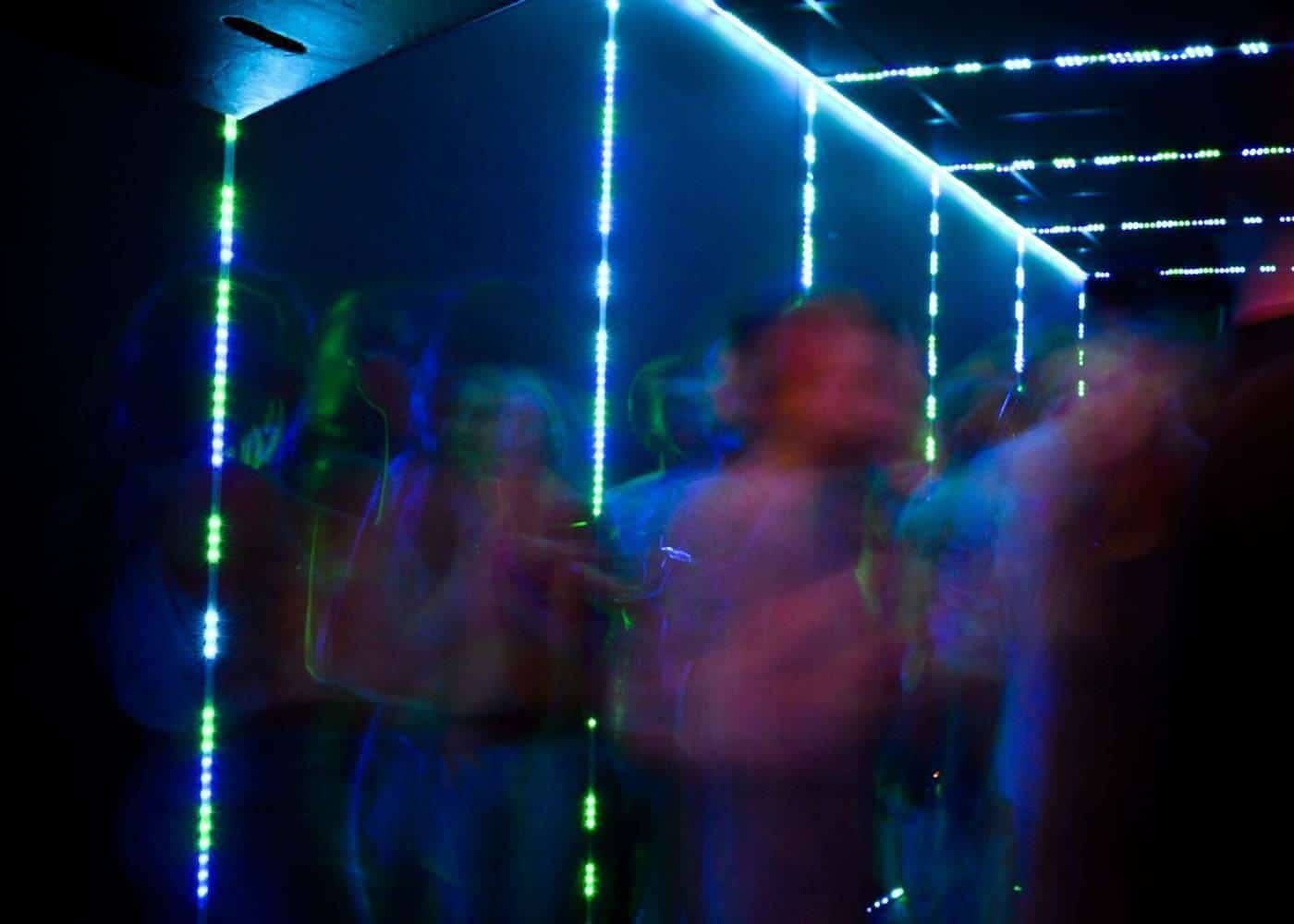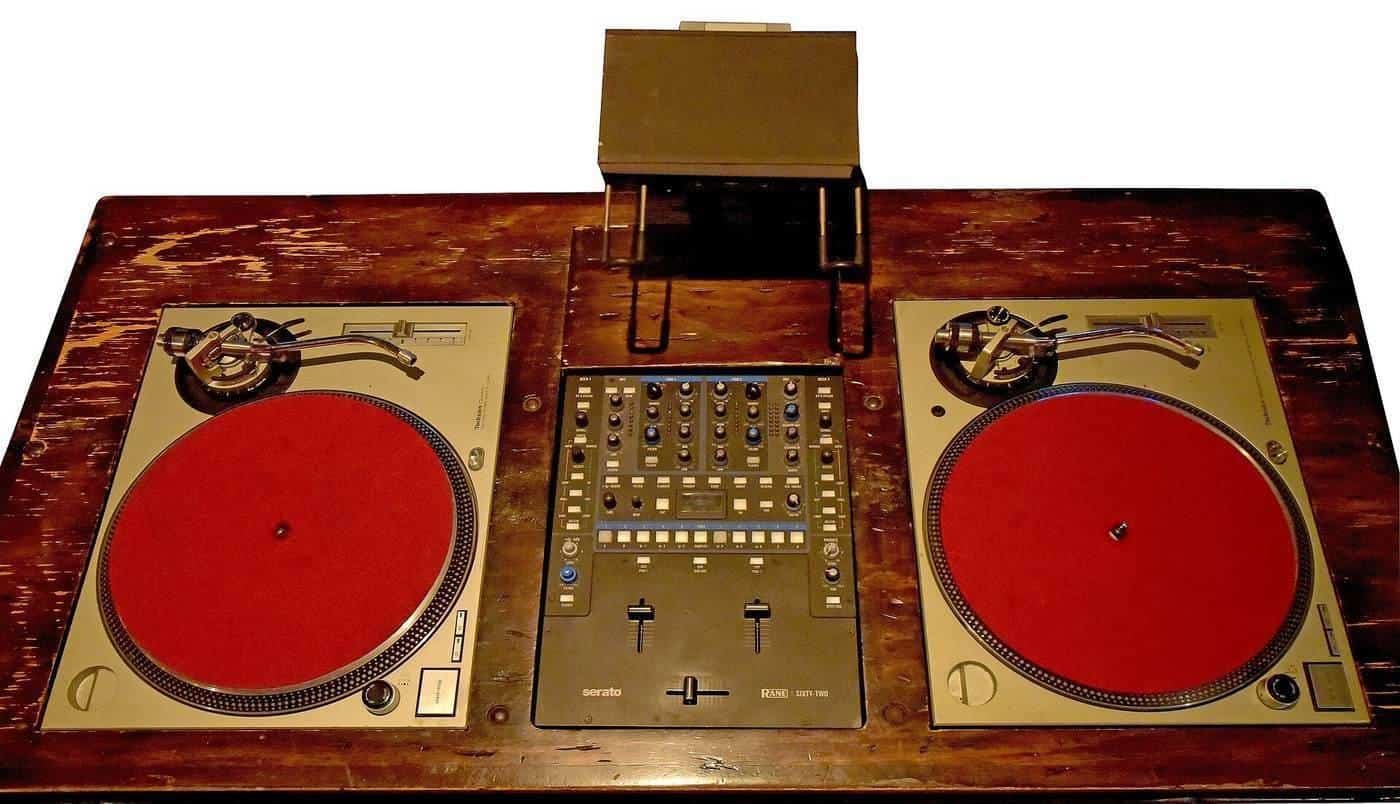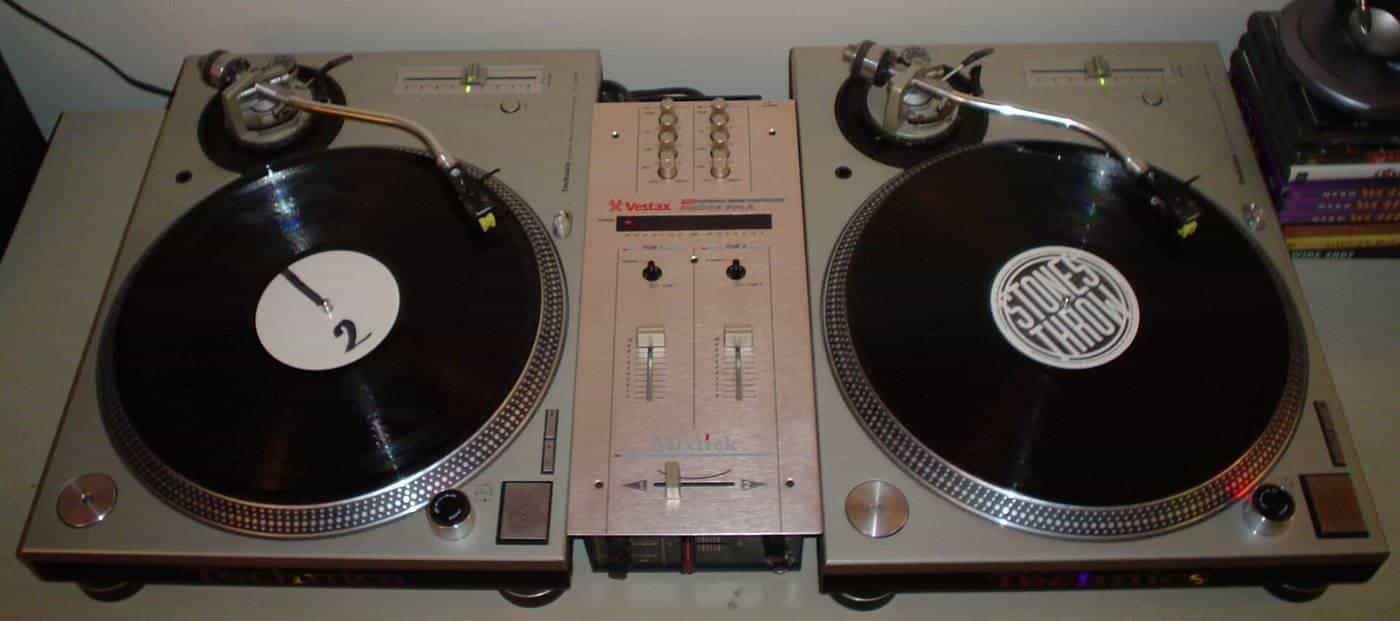
Shuffling is a conversation with the music. The steps only come alive when they lock into the beat, and the best shufflers respond to every build, drop and break. Wikipedia describes the Melbourne shuffle as a rave dance typically performed to electronic dance music, and it grew up alongside the techno, house, trance and hard dance played in Melbourne's clubs and raves. This guide explains how to hear the beat, what tempo means, and how to choose music that helps you learn.
BPM
Beats per minute
The measure of tempo
60,000 ÷ BPM
Milliseconds per beat
Our tempo trainer does the maths
8 counts
A typical phrase unit
Dancers count in eights
Beats, bars and phrases
Most dance music is built from a few simple units:
- Beat: the steady pulse you tap your foot to. In much electronic dance music, a kick drum lands on every beat.
- Bar: a group of beats, usually four in dance music.
- Phrase: a longer group of bars. Dancers often count in eights, so two bars make one eight-count.
- Sections: larger parts of a track, such as intros, build-ups, drops and breakdowns, typically made of several phrases.
Learning to hear these units helps you start moves at the right moment, change combinations at natural points and match big moves to big moments.
Understanding tempo
Tempo is the speed of the music, measured in beats per minute (BPM). At 60 BPM there's one beat per second. Double the BPM and each beat is half as long. You can work out the time between beats by dividing 60,000 by the BPM, which gives milliseconds per beat. Our tempo trainer does this for you and shows how the timing changes as you speed up.
Tempo matters because shuffle steps happen on or between beats. Faster music means faster footwork, less time for each weight change and more demand on your legs and lungs. Slower music gives you time to focus on technique.
How tempo changes your shuffle
- Slower tempos suit learning new moves, working on arm coordination and smooth, groovy styles.
- Medium tempos suit building combinations and practising transitions.
- Faster tempos suit energetic styles and confident dancers, but they magnify sloppy technique.
You can also play with timing at any tempo. Half-time steps, where you move on every second beat, make fast music manageable and add contrast. Double-time steps add energy to slower tracks.
Finding the beat
If you're new to dance music, finding the beat can take practice:
- Listen for the kick drum, the low thump that repeats steadily.
- Tap your foot or nod your head along.
- Count "1, 2, 3, 4, 5, 6, 7, 8" in time with the kicks.
- Listen for where new sounds come in. Changes often happen on count 1 of a phrase.
- Use the tap-tempo feature in our tempo trainer to check you're tapping steadily.
Practise this with different tracks until it feels natural. It's the foundation of all dancing.
Choosing tracks to learn with
When you're learning, choose music that makes practice easier:
- a clear, steady beat with a strong kick drum;
- a tempo that lets you keep good form;
- long sections without beat changes, so you can drill moves;
- a track you enjoy, because you'll hear it many times.
As you improve, challenge yourself with faster tracks, tracks with complex breakdowns and different genres.
Slowing music down
Many music and video apps let you play tracks at slower speeds. Slowing a track to around three-quarters of its speed while learning, then building up, is a common approach. Our tempo trainer's practice ladder helps you plan the steps from a starting percentage up to full speed.
Dancing to the structure
Advanced shufflers dance to the structure of a track, not just the beat:
- Intros: simple, steady footwork while you settle in.
- Build-ups: increasing energy, perhaps speeding up or adding kicks.
- Drops: your strongest moves, often starting with a spin or jump on the first beat.
- Breakdowns: slower movement, arm work or stillness.
This is the difference between dancing near the music and dancing with it.
Music in shuffle culture
The shuffle's identity is tied to the music of its scene. Melbourne's clubs and raves played the electronic styles of their era, and as music evolved, so did the dance. Today shufflers dance to many genres, and debates about which music is "real" shuffle music are part of the culture. Whatever you choose, listening deeply to it will make you a better dancer. For the dance's background, see our history of the Melbourne shuffle.
Protecting your ears while you listen
Practising with loud music for long periods can damage your hearing. Keep volume moderate during practice, especially with headphones, and take breaks. Our guide to protecting your hearing has more.
Practice drills for musicality
Try these drills to sharpen your ear and timing:
- Count-along: play a track and count out loud in eights for a whole minute without dancing. Then do the same while stepping side to side on every beat.
- Phrase spotting: listen to a track and clap on count 1 of every phrase. Check whether new sounds come in where you clapped.
- Change on one: dance running men and switch to T-steps exactly on count 1 of each new phrase. This trains your transitions to land on the music.
- Half and double: alternate eight counts of half-time steps with eight counts of normal steps, then try double time if you can keep it clean.
- Freeze: on a drop or a big sound, freeze for one beat, then explode back into movement. It's a simple trick that makes dancing look musical.
- New track challenge: put on a track you've never heard and try to predict where the drop will land by counting phrases.
Common timing problems
- Rushing: many beginners speed up without noticing, especially during exciting sections. Use the tempo trainer to check and practise with a steady beat.
- Dragging: tired legs often fall behind the beat. Shorten your session or slow the music.
- Starting on the wrong count: if your combinations never seem to fit, check you're starting on count 1 of a phrase.
- Ignoring breakdowns: keep moving or deliberately pause, but stay connected to the music even when the beat drops out.
Filming yourself with the music playing is the easiest way to spot these problems, because it's hard to judge timing while you're dancing.
Building a practice playlist
A practice playlist saves time and keeps sessions focused. Group tracks by tempo, from slower warm-up tracks to faster ones for confident drilling, and use the tempo trainer to check each track's BPM. Include a few tracks with very clear phrasing for routine work, and a few unfamiliar ones for freestyle challenges. Refresh the playlist regularly so practice stays fun, and note which tracks suit which moves. Over time, you'll build a feel for the tempos that suit your style and the music you love dancing to.
Tempo and fatigue
As you tire, your timing slips. If you notice yourself rushing or dragging late in a session, drop the tempo or take a break rather than practising mistakes.
Key points
- Beats, bars and phrases are the building blocks of dance music; dancers count in eights.
- Tempo is measured in BPM, and milliseconds per beat equals 60,000 divided by BPM.
- Slower tempos suit learning; faster tempos demand cleaner technique.
- Find the beat by listening for the kick drum and counting along.
- Choose clear, steady tracks to learn with and build speed gradually.
Frequently asked questions
What music do people shuffle to?
The shuffle grew up with electronic dance music in Melbourne’s rave and club scene. Today people shuffle to many electronic styles, and to plenty of other music with a strong, steady beat.
What does BPM mean?
Beats per minute, the number of beats in one minute of music. A higher BPM means a faster tempo.
How do I find a track’s BPM?
Tap along to the beat with our tempo trainer. Many DJ and music apps also display BPM.
What tempo should beginners use?
Whatever tempo lets you keep good technique. Many beginners slow music down or choose slower tracks, then build speed gradually.
How do I hear the phrases in music?
Count beats in groups of eight and listen for changes, such as new sounds, build-ups and drops, which often land at the start of a phrase.
Sources and further reading
Facts on this page were checked against these primary and official sources. Conditions change — confirm before you travel or buy.
- Melbourne shuffle — Wikipedia