You don't need a studio to learn the shuffle. Many dancers learn in lounge rooms, bedrooms, garages and backyards, using a phone for music and a reflection in a window as a mirror. Practising at home has big advantages: it's free, convenient and private. It also comes with challenges, especially space, floors and noise. This guide shows you how to set up a good practice space and stay on good terms with the people around you.
10pm
Music cut-off Mon–Thu (Vic)
If audible in a neighbour's home (EPA Victoria)
11pm
Friday and Saturday cut-off
EPA Victoria
Short and often
Practice rhythm
With rest days
Setting up your space
A good home practice space has:
- Room to move. Enough space to travel a step or two in each direction and spin without hitting anything. Move furniture, rugs and cables out of the way.
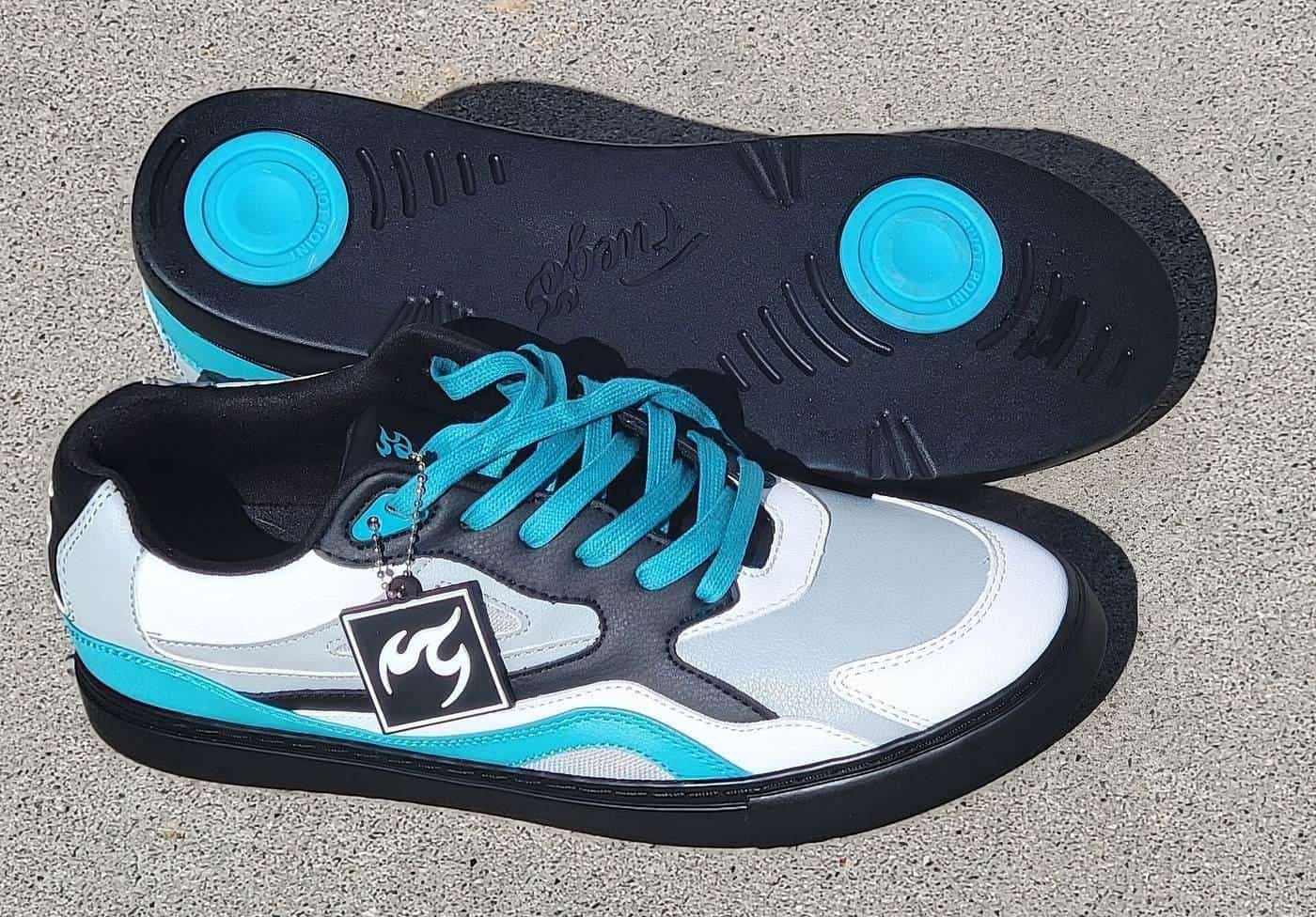
- A suitable floor. Smooth, flat and clean. Our guide to shoes and floors explains what works.
- Head height. Check the ceiling and light fittings if you jump.
- A mirror or camera. A large mirror, glass door or reflective window helps you see yourself. A phone on a stand lets you film.
- Ventilation. Shuffling is hot work. Open a window or use a fan.
Music and noise rules in Victoria
Music is the obvious noise issue. EPA Victoria's information on residential noise lists prohibited times for musical instruments and electrical audio goods, including stereos, radios, TVs and public address systems. These apply if the noise can be heard inside a neighbour's home. The prohibited times are:
| Day | Prohibited times |
|---|---|
| Monday to Thursday | Before 7am and after 10pm |
| Friday | Before 7am and after 11pm |
| Saturday and public holidays | Before 9am and after 11pm |
| Sunday | Before 9am and after 10pm |
Outside these times, noise can still be unreasonable depending on how loud it is and how often it happens. EPA Victoria's page explains more about what counts as unreasonable noise and how disputes are handled. Rules differ in other states and territories, so check your local environment authority or council if you live outside Victoria.
Footwork noise
Shuffling itself can be noisy, especially stomps, jumps and fast steps on hard floors. Sound and vibration can travel through floors and walls, particularly in apartments and townhouses. To reduce it:
- practise the noisiest moves at considerate times;
- use a mat or board that absorbs some impact for jump-heavy drills;
- focus on light, controlled footwork, which is better technique anyway;
- practise on the ground floor or outdoors if possible.
Being a good neighbour
A friendly word goes a long way. If you share walls or floors, consider letting neighbours know you're practising and asking whether certain times work better for them. Respond positively if someone raises a concern. Keeping good relationships makes practising easier for everyone.
Using headphones
Headphones let you practise to music without disturbing anyone. Keep the volume moderate. Know Your Noise warns that repeated or lengthy exposure to sounds at or above 85 decibels can cause hearing loss. Wireless headphones that sit securely are easier to dance in. See our guide to protecting your hearing for more.
Planning your sessions
Regular, focused practice beats occasional marathons. A sample 30-minute session:
- Warm-up (5–10 minutes): gentle movement building to slow shuffle steps. The Heart Research Institute says 5 to 10 minutes is usually sufficient for amateurs.
- Technique (10 minutes): drill one move slowly with the tempo trainer.
- Combinations (5–10 minutes): practise part of a routine. See building a routine.
- Freestyle (5 minutes): dance to a track for fun.
- Cool-down: easy steps and gentle stretches.
Include rest days, especially when you're starting out. Our guide to warming up and avoiding injury explains why.
Staying motivated
- set small goals, such as mastering a move this week;
- film progress clips and compare them over time;
- practise with friends, in person or online;
- learn a new combination regularly;
- try new music to keep things fresh.
Practising outdoors
Backyards, driveways and quiet public spaces can work well, especially for spins and travelling moves. Check that the surface is smooth and safe, watch for traffic and other people, and remember noise still matters outdoors, particularly at night.
Making the most of a small space
Not everyone has a big lounge room. In a small space, focus on moves that stay on the spot, such as the running man, small T-steps and arm work, and save travelling steps and spins for when you have more room. Practise turns as quarter turns rather than full spins. A small space is also ideal for slow technique work, which matters more than speed anyway. If you share your home, agree on times when the space is free and keep the floor clear when you're done.
Apartments and shared walls
Apartments bring extra challenges because footwork and music travel through floors and walls. Practise on the softest suitable surface you have, keep jumps to a minimum, and wear headphones. Body corporate or owners corporation rules may also cover noise, so check them. If a neighbour raises a concern, listen and look for a compromise, such as changing the time you practise. Keeping a good relationship is worth more than one extra session.
Safety at home
Home spaces have hazards a studio doesn't: furniture corners, rugs that slide, cables, pets and children. Before each session, clear the area, check the floor is dry and clean, and make sure nobody will walk into your space unexpectedly. Keep a water bottle nearby but away from where you're dancing, so spills don't make the floor slippery. If you practise alone, keep your phone close in case you need help.
Tracking progress at home
Home practice is easy to drift through without a plan. A simple practice diary helps: note the date, what you practised, the tempo you reached and how your body felt. Pair it with a short video each week. Looking back after a month shows how far you've come, which is great motivation on days when progress feels slow.
Music outside Victoria
If you live outside Victoria, noise rules are set by your state or territory and local council. They commonly cover similar issues, such as amplified music late at night, but the details differ. Search your state environment authority or council website for residential noise information before planning late-night sessions.
Practising with a group at home
Inviting friends over to practise is fun, but more dancers means more noise and less space. Keep the group small, agree on finishing times, and take the session outdoors or to a hired space if you need more room. Many community halls and studios can be hired by the hour, which can be a good option for group practice.
Key points
- Clear a safe space with a suitable floor, head height and a mirror or camera.
- In Victoria, EPA prohibited times apply to music audible inside a neighbour's home.
- Reduce footwork noise with controlled steps, mats and considerate timing.
- Use headphones at a moderate volume.
- Practise in regular, focused sessions with a warm-up and rest days.
Frequently asked questions
When can I play music at home in Victoria?
EPA Victoria lists prohibited times for stereos, radios and similar audio goods if they can be heard inside a neighbour’s home: Monday to Thursday before 7am and after 10pm, Friday before 7am and after 11pm, Saturday and public holidays before 9am and after 11pm, and Sunday before 9am and after 10pm.
How much space do I need to shuffle?
Enough to move a step or two in each direction and spin without hitting anything. Clear furniture and check the ceiling height for jumps.
How can I practise quietly?
Use headphones at a moderate volume, dance on a softer mat for impact-heavy drills, and keep big jumps and stomps to reasonable hours.
Can I practise in an apartment?
Yes, with care. Think about footwork noise travelling to neighbours below, use headphones and keep sessions to considerate times.
How often should I practise?
Regular short sessions usually work better than occasional long ones. Include rest days so your legs can recover.
Sources and further reading
Facts on this page were checked against these primary and official sources. Conditions change — confirm before you travel or buy.
- Residential noise — EPA Victoria
- Hearing health — Know Your Noise (National Acoustic Laboratories)
- How to warm up properly — Heart Research Institute