The shuffle grew up in clubs and raves with big sound systems, and loud music is part of the experience. But noise-induced hearing loss is permanent, and it often builds up slowly without you noticing. The good news is that it's largely preventable. This guide explains how loud is too loud, how to protect your ears on the dance floor and during practice, and when to seek help.
This is general information, not medical advice. If you're concerned about your hearing, see a doctor or hearing health professional.
85 dB
Risk threshold
Repeated or lengthy exposure can cause hearing loss (Know Your Noise)
94–110 dBA
Average concert level
NIDCD
Permanent
Noise damage
Prevention is key
How loud is too loud?
Sound is measured in decibels (dB). Know Your Noise, a hearing health resource from Australia's National Acoustic Laboratories, says sounds of less than 75 decibels, even after long exposure, are unlikely to cause hearing loss. However, repeated or lengthy exposure to sounds at or above 85 decibels, roughly the level of a vacuum cleaner, can cause hearing loss. The louder the sound, the shorter the time before damage is likely.
The US National Institute on Deafness and Other Communication Disorders (NIDCD) gives average levels of 94 to 110 dBA for concerts, sporting events and music through headphones at maximum volume. It also notes that your distance from the source and the length of time you're exposed are important factors.
Protecting your ears at clubs and festivals
Know Your Noise advises that if you attend loud music events such as clubs, gigs or concerts, you should put some distance between yourself and the speakers and use hearing protection. It also recommends limiting the time you spend in noisy places and taking regular breaks in quieter areas.
In practice:
- wear earplugs from the start of the night, not just when it feels loud;
- dance away from the speakers;
- step outside or into a quieter area regularly;
- keep an eye on how your ears feel afterwards.
Our guide to festivals and clubs covers other ways to look after yourself at events.
Types of earplugs
NIDCD describes several types of hearing protectors:
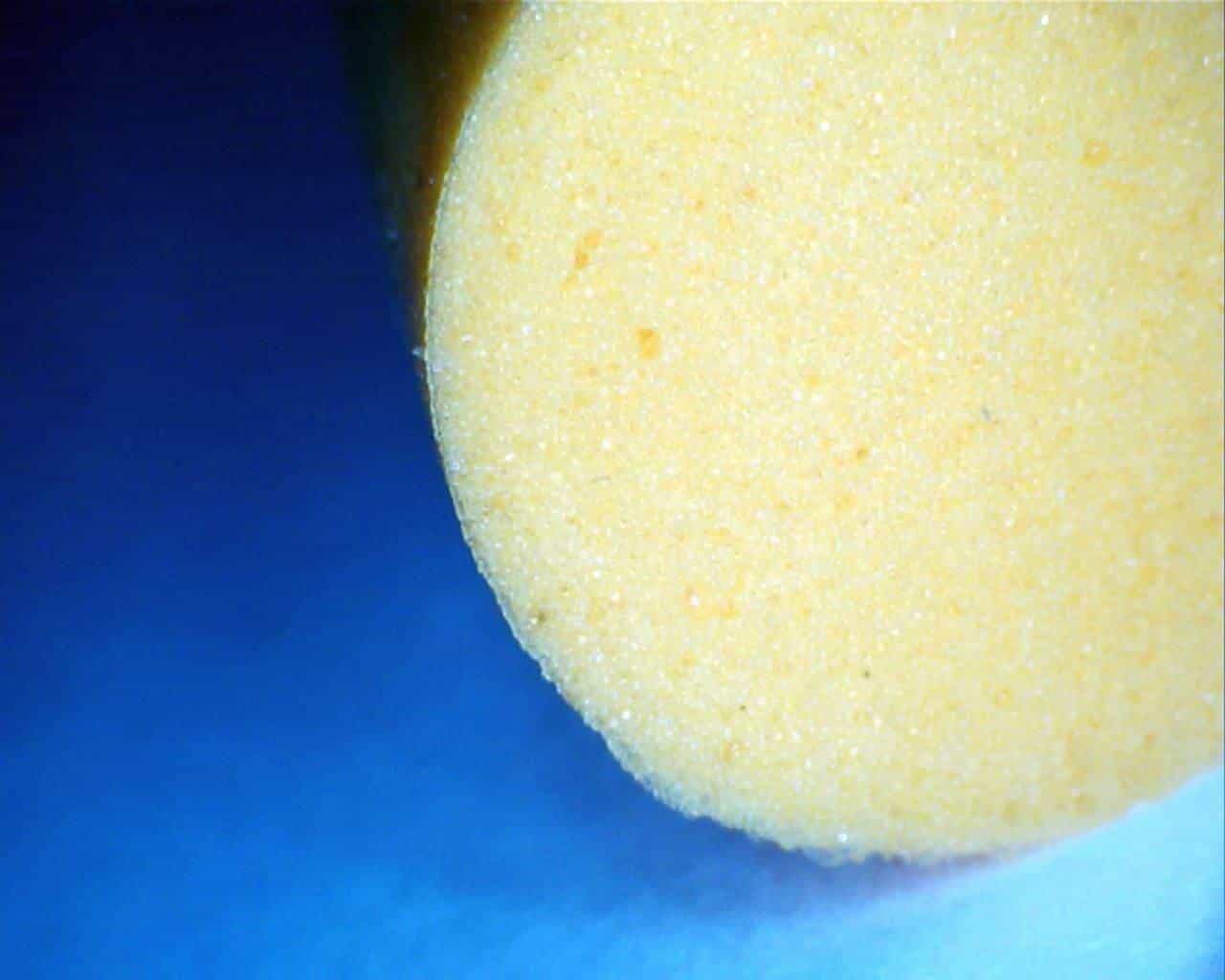
- Formable foam earplugs: made of soft foam that expands to fill your ear canal. They're meant for one-time use but can be reused if clean and still fully expanding.
- Pre-moulded earplugs: made from plastic, rubber or silicone.
- Musician earplugs: custom-made moulds intended to protect hearing while allowing as much natural sound as possible to safely enter the ear.
- Earmuffs: cover the whole ear; less practical on a dance floor but useful in some settings.
Know Your Noise notes there's a wide range of earplugs designed to protect hearing while preserving the sound quality of music. Many dancers prefer these over foam plugs because music still sounds clear. NIDCD suggests consulting a hearing health professional for help choosing protection or for custom earplugs.
How to fit foam earplugs
Foam earplugs only work if they're fitted properly. Roll the plug into a thin cylinder, reach over your head with the opposite hand and gently pull the top of your ear up and back, insert the plug, and hold it in place while it expands. A well-fitted plug should feel snug and noticeably reduce noise. Follow the instructions on the packet.
Headphones and practice
Practising with headphones at high volume for long periods also carries risk. Keep the volume moderate, take breaks and consider noise-cancelling headphones, which can let you hear music clearly at lower volumes in noisy places. At home, playing music through speakers at a moderate volume is often easier on your ears, though you'll need to think about neighbours; see our guide to practising at home.
Warning signs
Signs your ears have been exposed to too much noise include:
- ringing, buzzing or hissing in your ears (tinnitus);
- muffled hearing after an event;
- difficulty following conversations in noisy places.
These signs after a big night may fade, but repeated exposure can lead to permanent damage. healthdirect's information on hearing loss and tinnitus explains causes, symptoms and when to see a doctor.
When to get help
See a doctor if you notice ongoing ringing in your ears, hearing that doesn't return to normal, or gradual difficulty hearing. Sudden hearing loss is a medical concern and needs prompt attention. See a doctor or go to an emergency department straight away.
Hearing and dance practice
Practice sessions can add up to many hours of music each week. Even if each session doesn't feel very loud, the total exposure matters. A few habits help:
- set a comfortable volume at the start of your session and resist turning it up as you get excited;
- use speakers at a moderate level in preference to headphones turned up high, where practical;
- take a short break from music between drills;
- give your ears a rest after a loud night out before practising with loud music again.
Earplugs and enjoying the music
Some dancers worry that earplugs will spoil the music. Know Your Noise notes there's a wide range of earplugs designed to protect hearing while preserving the sound quality of music. Many people find music sounds clearer with well-fitted music earplugs in a loud venue, because the volume is less overwhelming. It can take a few nights to get used to them, so persist.
Keep earplugs with your keys, wallet or phone so you always have them. Foam plugs are cheap and easy to carry as a backup.
Looking after friends' hearing
If you're going out with friends, encourage everyone to bring earplugs and to take breaks together. It's easier to step away from the speakers as a group. If a friend mentions ringing ears or muffled hearing that doesn't go away, encourage them to see a doctor.
Children and young dancers
Young people can be keen shufflers, and their hearing deserves the same protection. Parents and carers can help by keeping headphone volume moderate, providing earplugs or earmuffs for loud events and modelling good habits. Check event age rules and hearing protection advice before taking young people to loud venues.
Myths about loud music
- "If it doesn't hurt, it's fine." Damage can happen without pain. Know Your Noise says repeated or lengthy exposure at or above 85 decibels can cause hearing loss.
- "My ears get used to it." Feeling less bothered by loud music doesn't mean your ears are safe.
- "Ringing always goes away, so there's no harm." Ringing is a warning sign; repeated exposure can lead to permanent damage.
Quiet time for your ears
After a loud event, give your ears some quiet time. Avoid headphones and loud environments for a while, and notice whether any ringing or muffled hearing settles. If it doesn't, see a doctor.
Key points
- Repeated or lengthy exposure at or above 85 decibels can cause hearing loss.
- Concerts average 94 to 110 dBA, according to NIDCD.
- Keep distance from speakers, take breaks and wear earplugs, ideally ones designed for music.
- Keep headphone volume moderate during practice.
- See a doctor about ongoing ringing or hearing changes, and get urgent help for sudden hearing loss.
Frequently asked questions
How loud is too loud?
Know Your Noise says sounds under 75 decibels are unlikely to cause hearing loss, but repeated or lengthy exposure at or above 85 decibels can cause hearing loss.
How loud are concerts?
The US National Institute on Deafness and Other Communication Disorders gives an average of 94 to 110 dBA for concerts and for music through headphones at maximum volume.
What earplugs are best for music?
Earplugs designed for music reduce volume while keeping sound clearer. NIDCD says custom-made musician earplugs aim to allow as much natural sound as possible to safely enter the ear.
Is ringing in my ears after a night out normal?
It’s a sign your ears have been exposed to too much noise. If ringing or muffled hearing doesn’t go away, see a doctor.
What if I suddenly lose hearing?
Sudden hearing loss needs prompt medical attention. See a doctor or go to an emergency department straight away.
Sources and further reading
Facts on this page were checked against these primary and official sources. Conditions change — confirm before you travel or buy.
- Hearing health — Know Your Noise (National Acoustic Laboratories)
- Noise-induced hearing loss — US National Institute on Deafness and Other Communication Disorders
- Hearing protectors — US National Institute on Deafness and Other Communication Disorders
- Hearing loss — healthdirect
- Tinnitus — healthdirect